
Denver Garage Door LTD • Professional Service
Expert troubleshooting guides, maintenance advice, spring replacement comparisons, and smart opener guides from certified Denver technicians.
Learn how to maintain your overhead door and solve common mechanical issues.
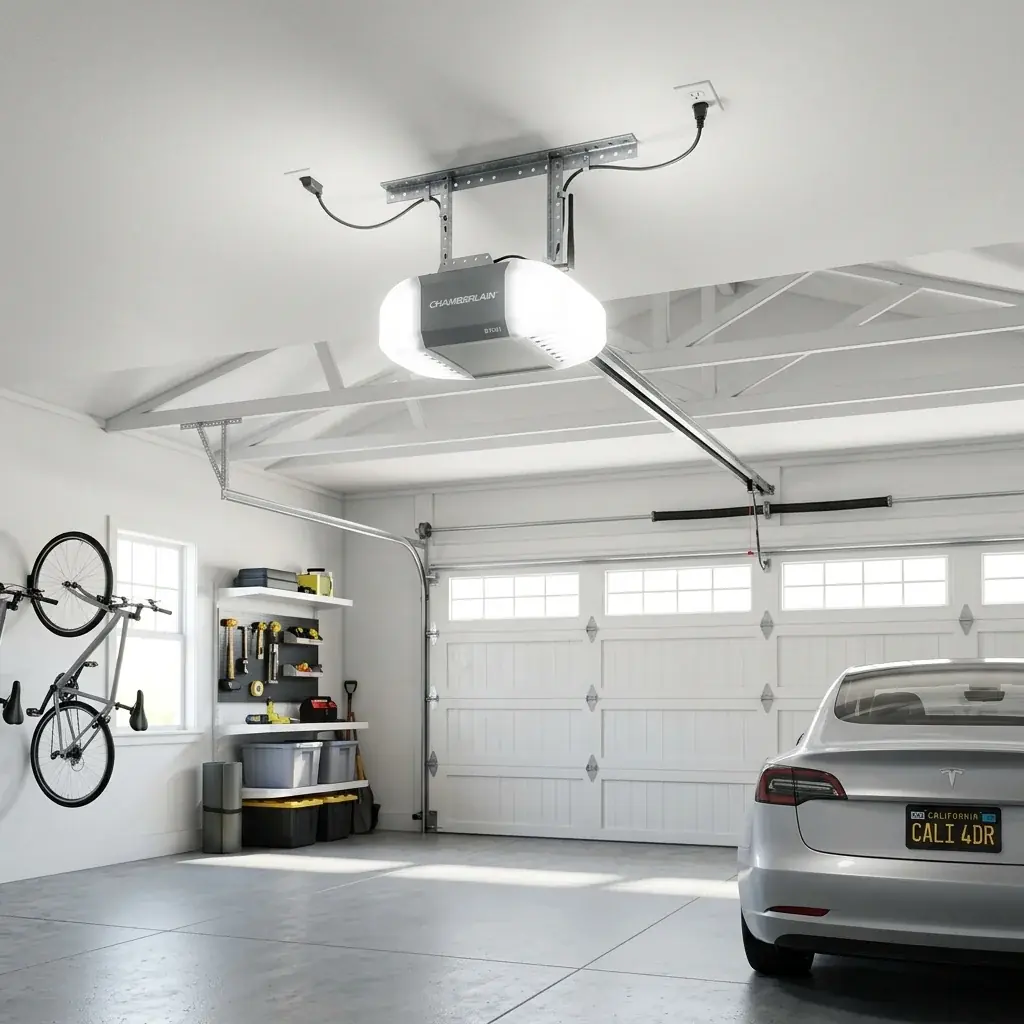
Comparing noise levels, motor durability, and cold weather performance between belt and chain openers.
Read Full Article →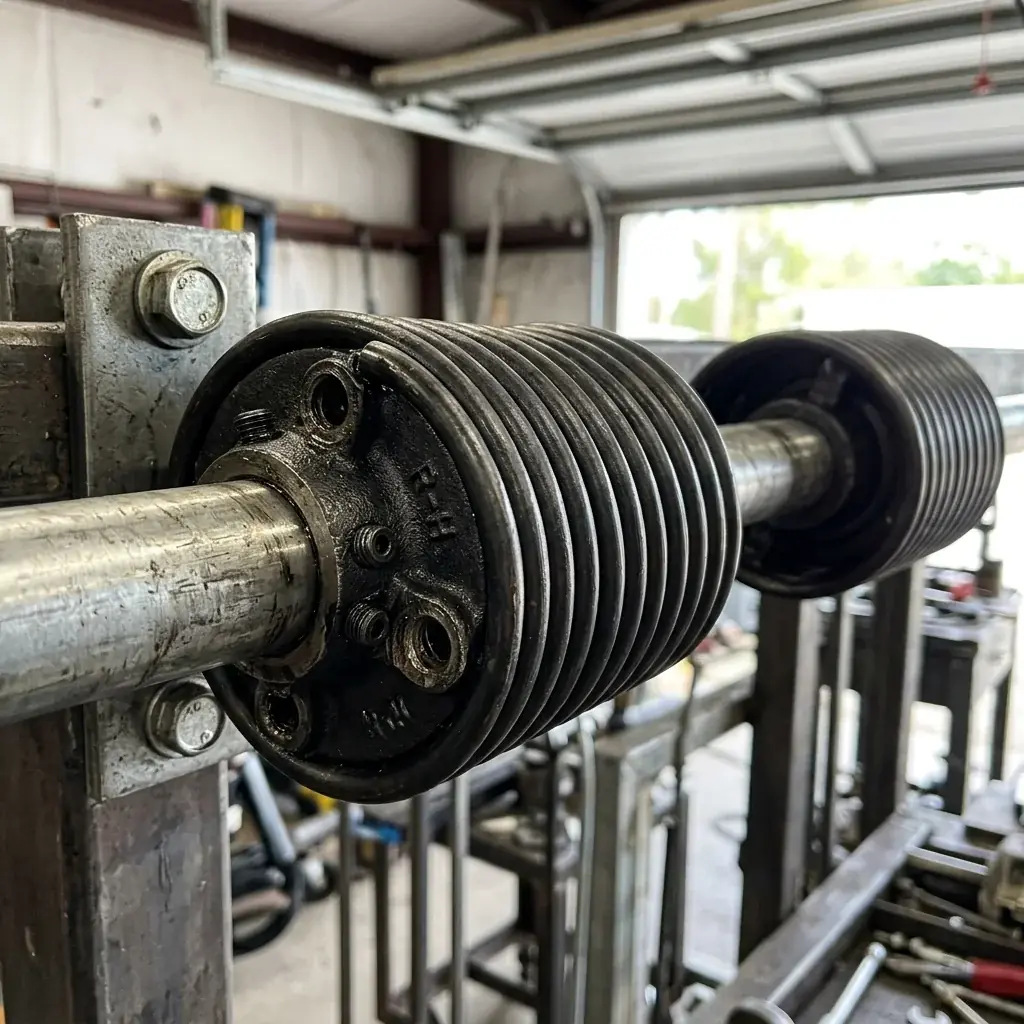
Why double-car garage doors require matched dual torsion springs to prevent panel twist and track wear.
Read Full Article →
Evaluating dent resistance, R-value insulation, and hail damage protection for Denver homes.
Read Full Article →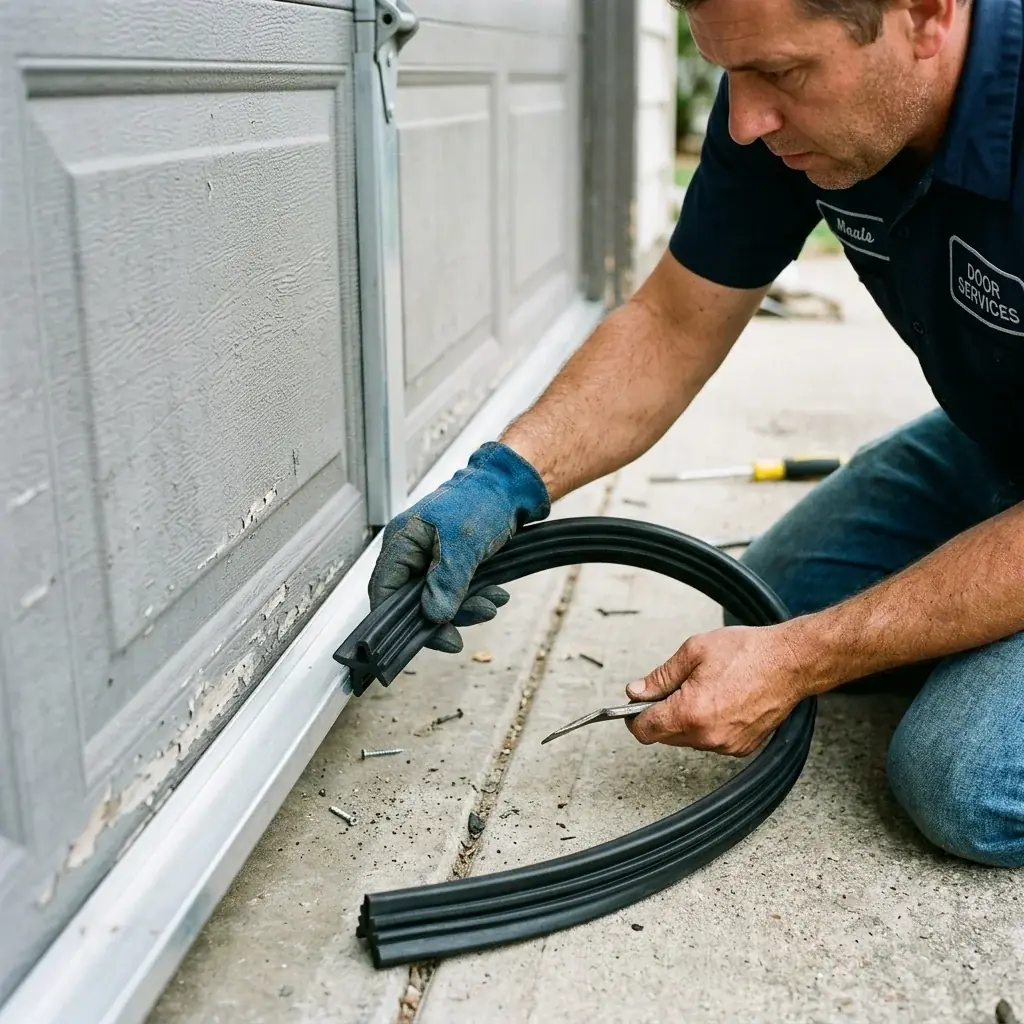
How heavy-duty EPDM rubber seals stop freezing drafts, water pooling, and snow buildup beneath your door.
Read Full Article →
Step-by-step instructions for programming built-in in-car wireless buttons to smart LiftMaster openers.
Read Full Article →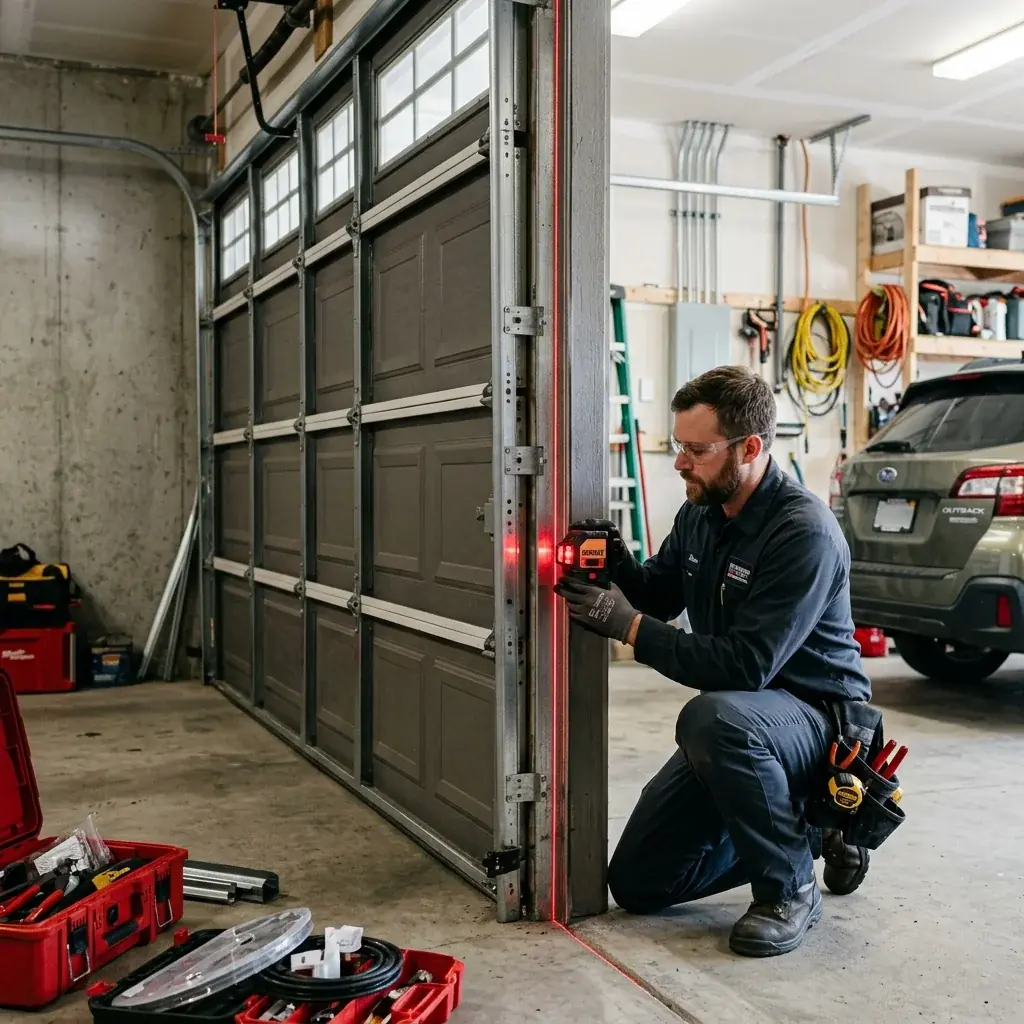
Learn how to disconnect your opener carriage and safely check manual counterweight spring balance.
Read Full Article →Explore our complete lineup of high-cycle OEM hardware, smart openers, commercial doors, and certified Denver field diagnostics.
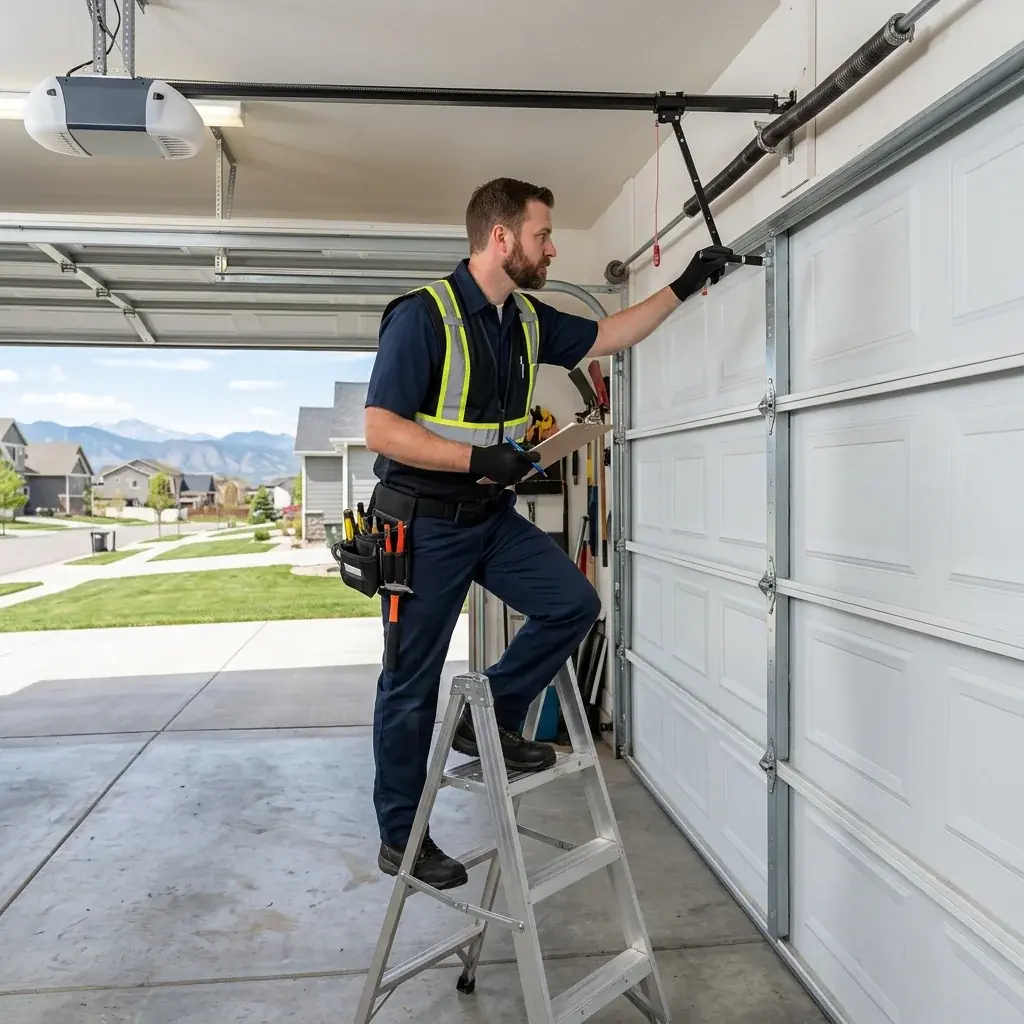
Certified OEM Component
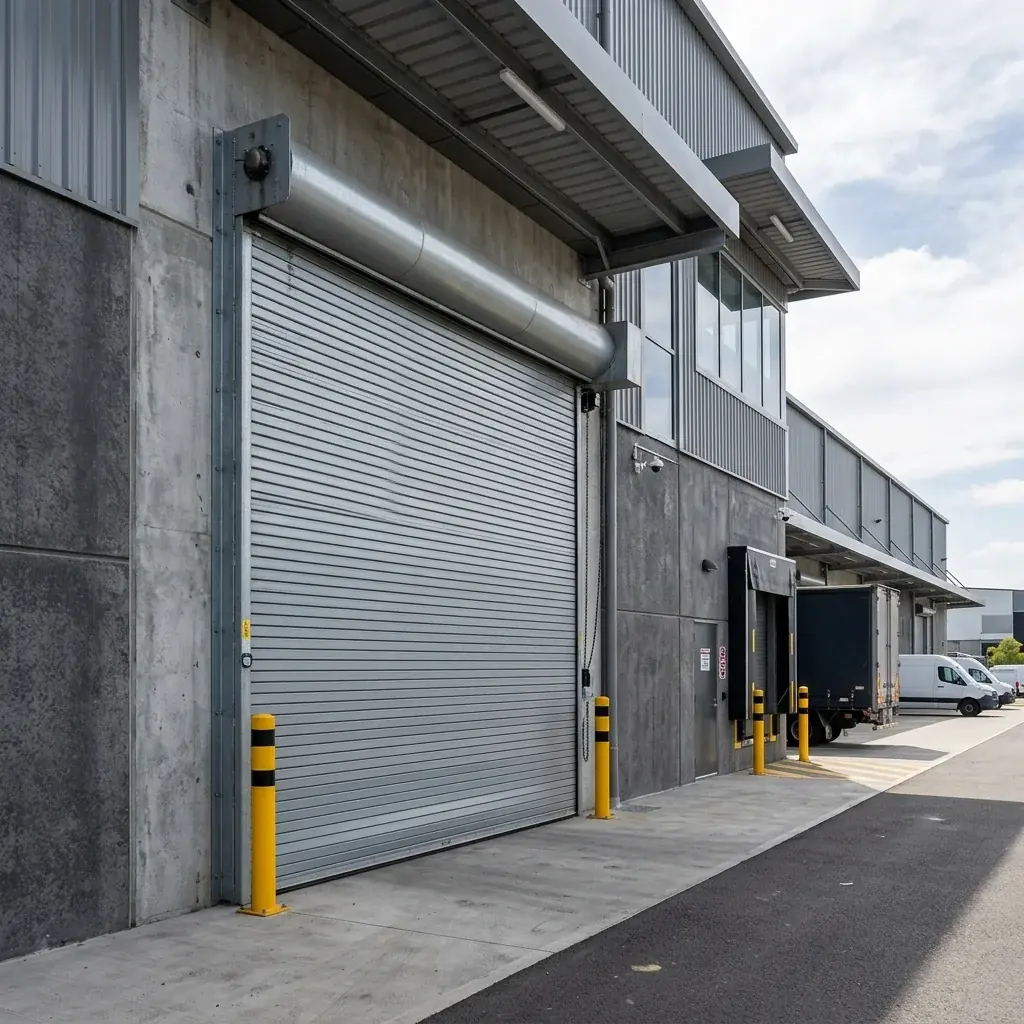
Certified OEM Component
Certified OEM Component
Certified OEM Component
Certified OEM Component
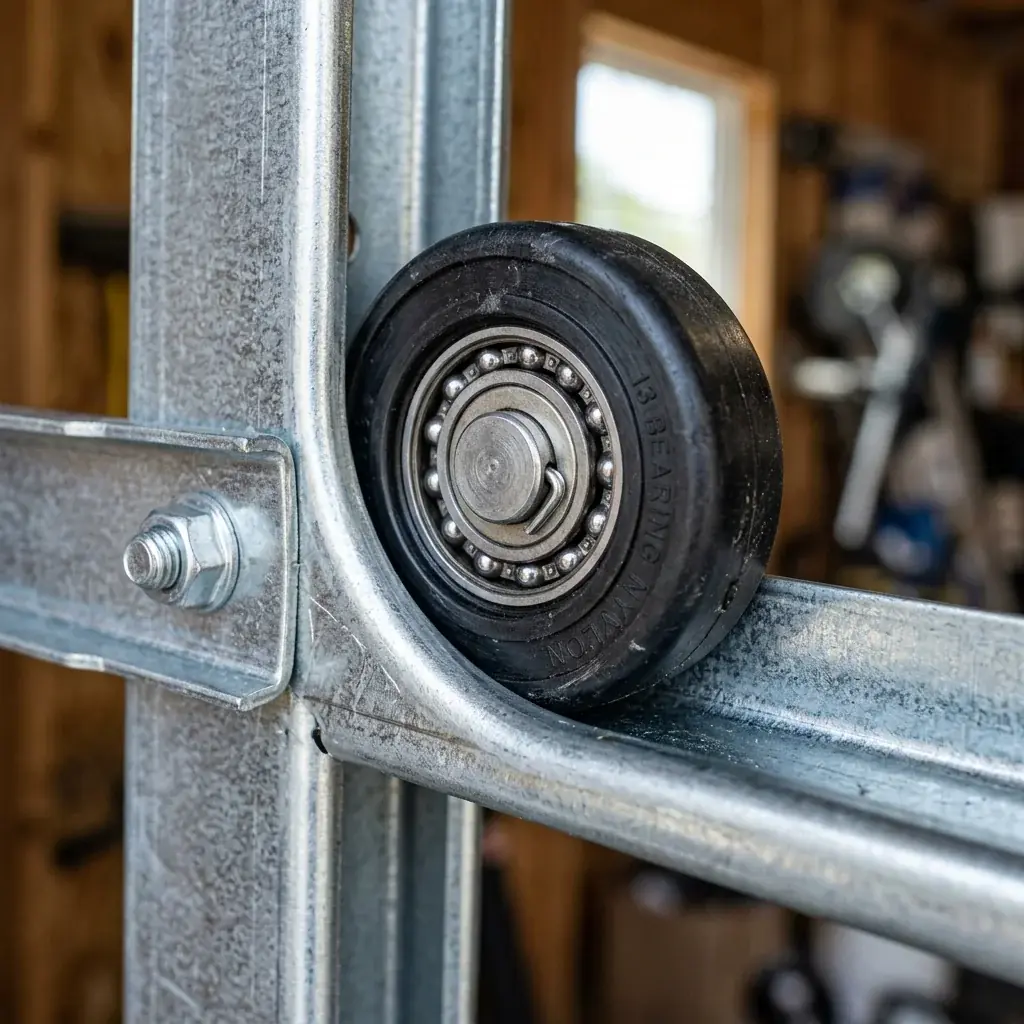
Certified OEM Component
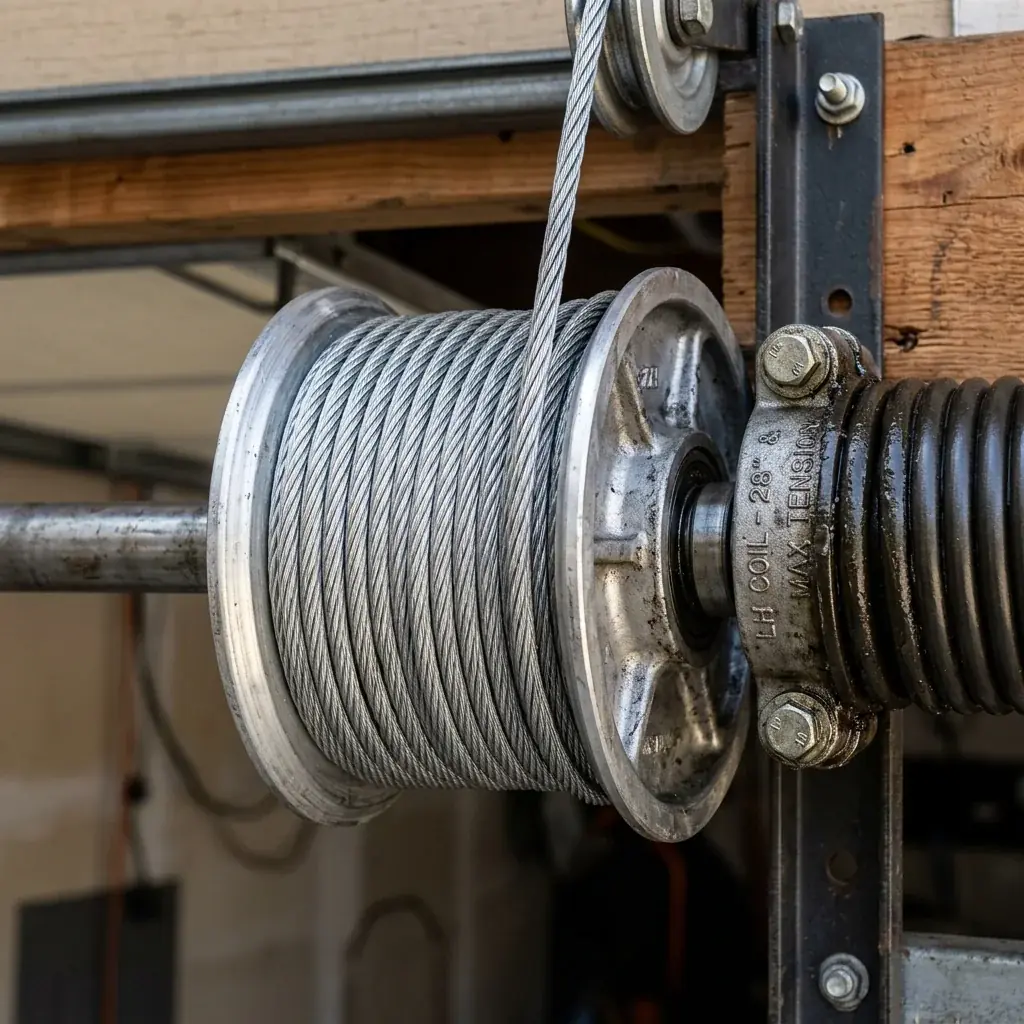
Certified OEM Component

Certified OEM Component
Certified OEM Component
Certified OEM Component
Certified OEM Component
Certified OEM Component

Certified OEM Component
Certified OEM Component
Certified OEM Component
2840 Fairfax St. #216, Denver, CO 80207
Direct Phone: (303) 335-5102
Business Hours: Monday - Sunday, 24/7 Phone Support
Overhead door systems operating along Colorado's Front Range (at an average elevation of 5,280 feet) face unique mechanical environmental demands. The combination of intense high-altitude UV radiation, low relative humidity, erratic freeze-thaw temperature spikes, and severe spring hail storms subjects torsion springs, lifting cables, track assemblies, and opener motor gears to severe physical stress.
When outdoor temperatures plummet below freezing during winter cold snaps, standard non-tempered steel wire contracts rapidly. This contraction increases internal shear force across torsion coils during every motor open-and-close cycle. Without proper spring calibration and cold-weather synthetic lubrication, cold steel wire suffers from rapid metal fatigue, frequently resulting in loud spring snaps and off-track door misalignment.
Standard petroleum grease thickens and hardens in sub-zero Denver winter temperatures, binding roller bearings and overloading motor drive gears. Our technicians apply non-tacky synthetic silicone lubricants engineered to operate smoothly down to -40°F without attracting road dust or debris.
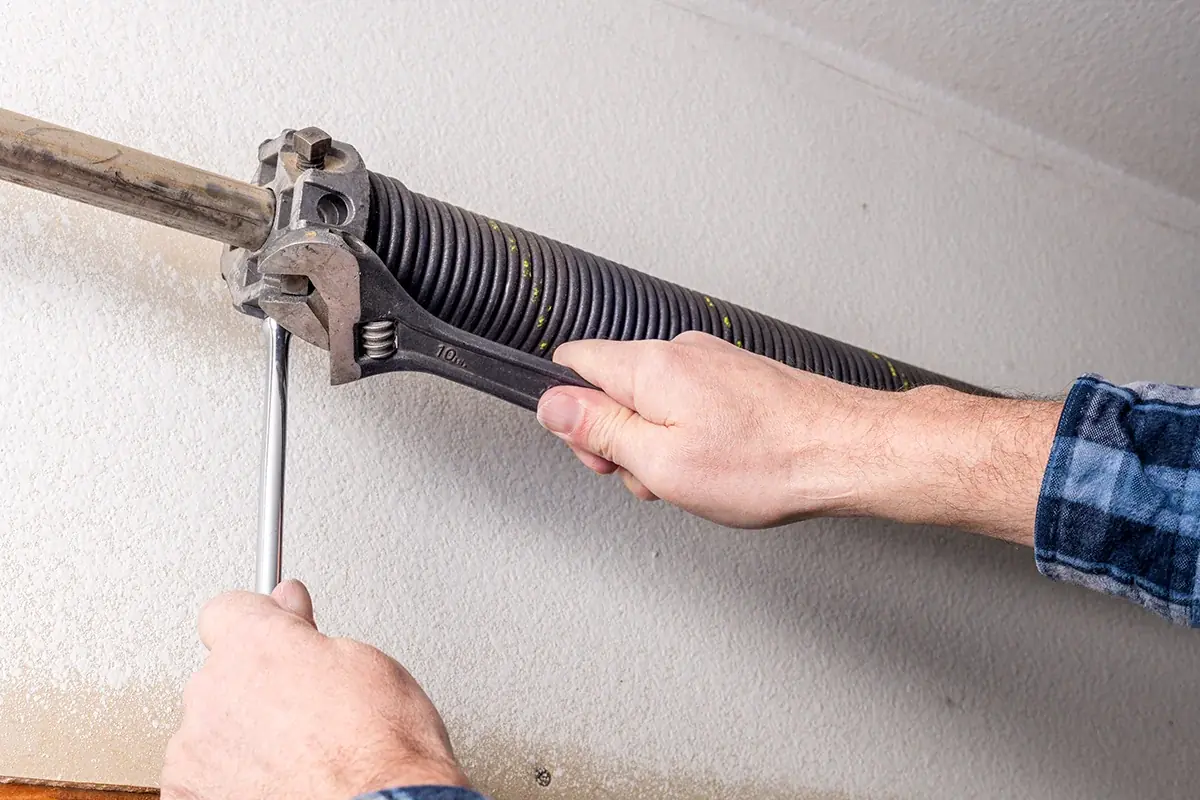
We exclusively install oil-tempered steel torsion springs rated for 20,000 to 50,000 operational cycles. Oil-tempered wire undergoes specialized heat treatment that increases elasticity and prevents premature stress cracking during extreme temperature swings.
Our replacement cables feature 7x19 strand aircraft-grade galvanized steel construction. This multi-strand design provides high tensile strength, extreme flexibility around cable drums, and maximum resistance against fraying or rust.
Unsealed steel rollers generate loud grinding noise and wear down vertical track metal over time. Our sealed 13-ball-bearing nylon rollers deliver whisper-quiet door operation and reduce mechanical track friction by up to 75%.