Commercial Garage Doors Near Me in Denver
Commercial garage doors near me: what Denver businesses actually need
When business owners search for commercial garage doors near me in Denver, the real need is usually faster response, the right opener for cycle counts, and hardware that fits the building. Denver Garage Door Ltd addresses all three – helping you choose the right door, hardware, opener, and safety setup before the work begins so the installation performs for the next 15 to 25 years.
The best installation is not just a new door in the opening; it is a system that cycles smoothly, seals properly, protects the property, and holds up to the daily workload.
Whether you are building a new warehouse in Central Park, replacing aging doors at a loading dock in Aurora, or upgrading a retail storefront in Lakewood, the installation determines how that door performs for the next 15 to 25 years. The door itself matters. But the measurement, specification, and installation matter just as much.
Denver Garage Door Ltd is your commercial overhead door contractor near me for new commercial overhead door installation and commercial garage door replacement cost estimates across Denver, Aurora, Lakewood, Arvada, Centennial, Westminster, Highlands Ranch, Littleton, Parker, Englewood, Castle Rock, Green Valley Ranch, and the surrounding metro area. As a BBB Accredited Business and Denver Metro Chamber of Commerce member, the company provides industrial garage door installation service for all major door types, paired with operators from LiftMaster, Nice/Linear, Chamberlain, and Genie. Call (303) 335-5102 for a free site survey and commercial garage door installation cost estimate.
Types of commercial garage doors near me installers should handle
Commercial properties have different operational demands, and each demands a specific door type. Here is what Denver Garage Door Ltd installs and when each type makes sense for your facility.
Sectional steel overhead doors (insulated and non-insulated). The most common commercial door type. These doors use horizontal steel panels connected by hinges that travel along vertical and horizontal tracks. Insulated versions feature polyurethane or polystyrene cores with R-values ranging from R-6 to R-32, depending on panel thickness and construction. Non-insulated single-layer steel doors work for applications where thermal separation is not a concern. Sectional doors are available in standard lift, high lift, and vertical lift configurations to match your building’s ceiling and headroom conditions.
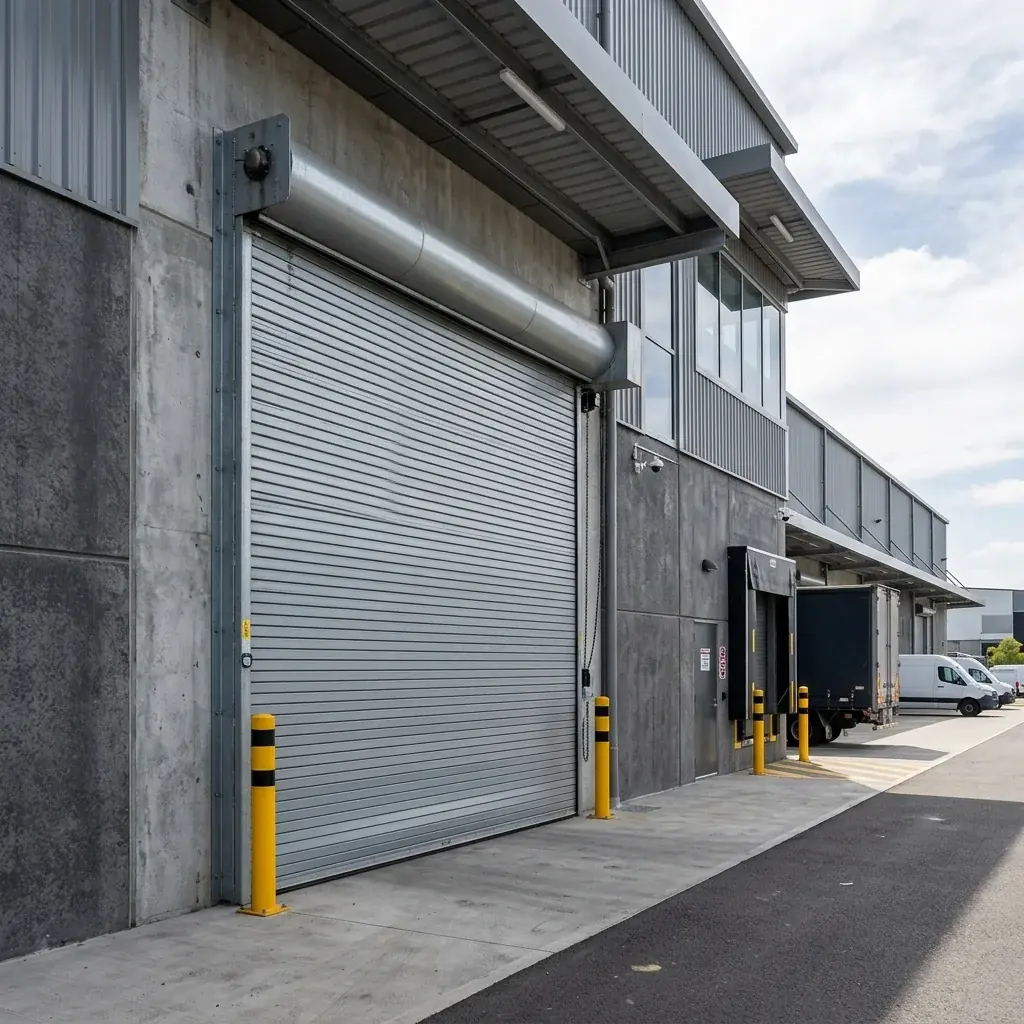
Rolling steel and coiling doors. Interlocking steel slats coil around a barrel assembly above the opening, taking up zero ceiling space inside the building. Rolling steel doors are the standard for warehouses, loading docks, and storage facilities where overhead clearance is occupied by cranes, HVAC systems, or sprinkler lines. Available in gauges from 22 to 18 for varying duty levels.
High-speed doors. Designed for environments where cycle count is extreme and minimizing open time matters – food processing, cold storage, pharmaceutical facilities, and high-traffic distribution centers. High-speed doors open and close significantly faster than standard commercial doors, reducing energy loss, contamination exposure, and traffic bottlenecks. They use flexible curtains or rigid panels depending on the application.
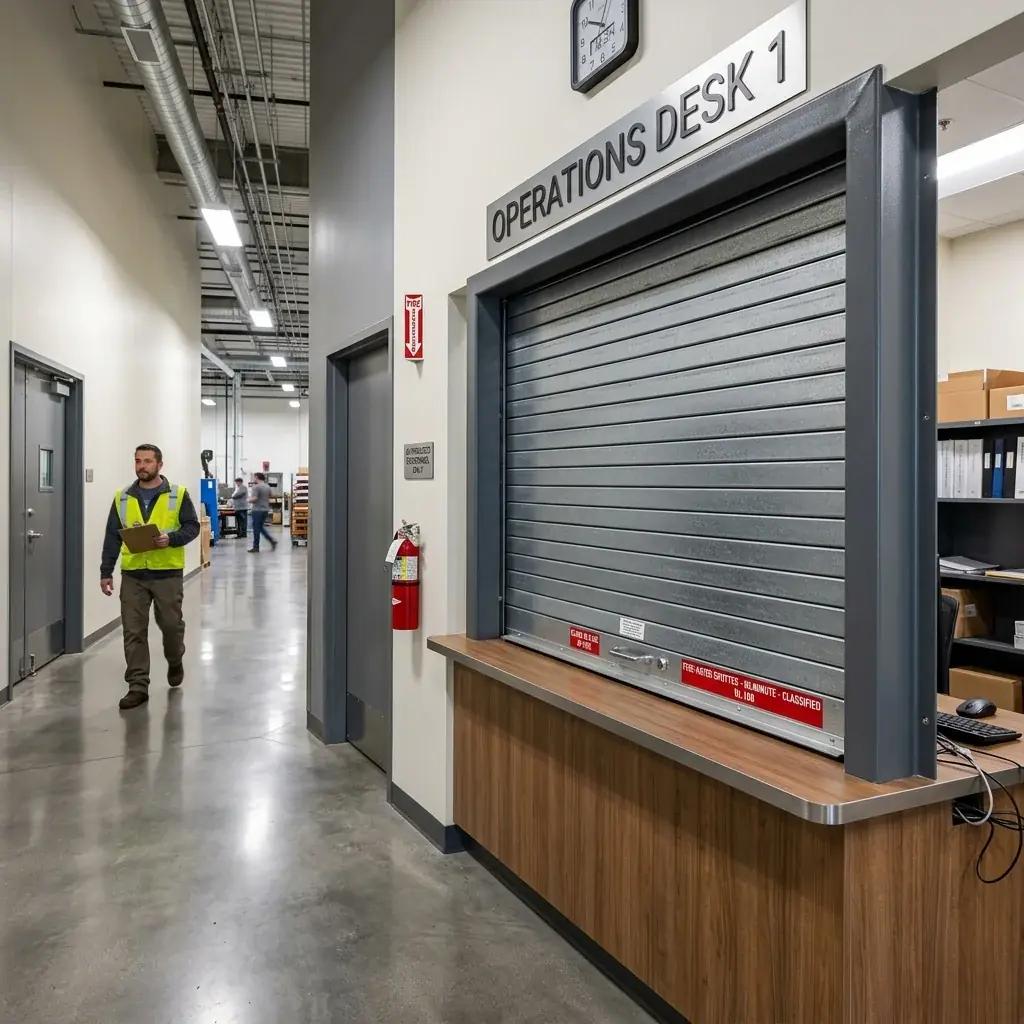
Security grilles and counter shutters. Open-weave rolling steel or aluminum grilles used in retail storefronts, malls, concession stands, and service windows. They provide after-hours security while maintaining visibility and airflow. Counter shutters serve pass-through windows, pharmacies, and service counters at a smaller scale.
Fire-rated doors. Required by building code in fire-separation walls, between occupancy types, and in stairwells. Fire-rated commercial doors include heavier-gauge construction, integrated fusible links, and automatic closing mechanisms that activate when ambient temperature reaches a specified threshold. Installation must comply with the door’s fire-rated listing – using incorrect components or installation methods can void the rating entirely.
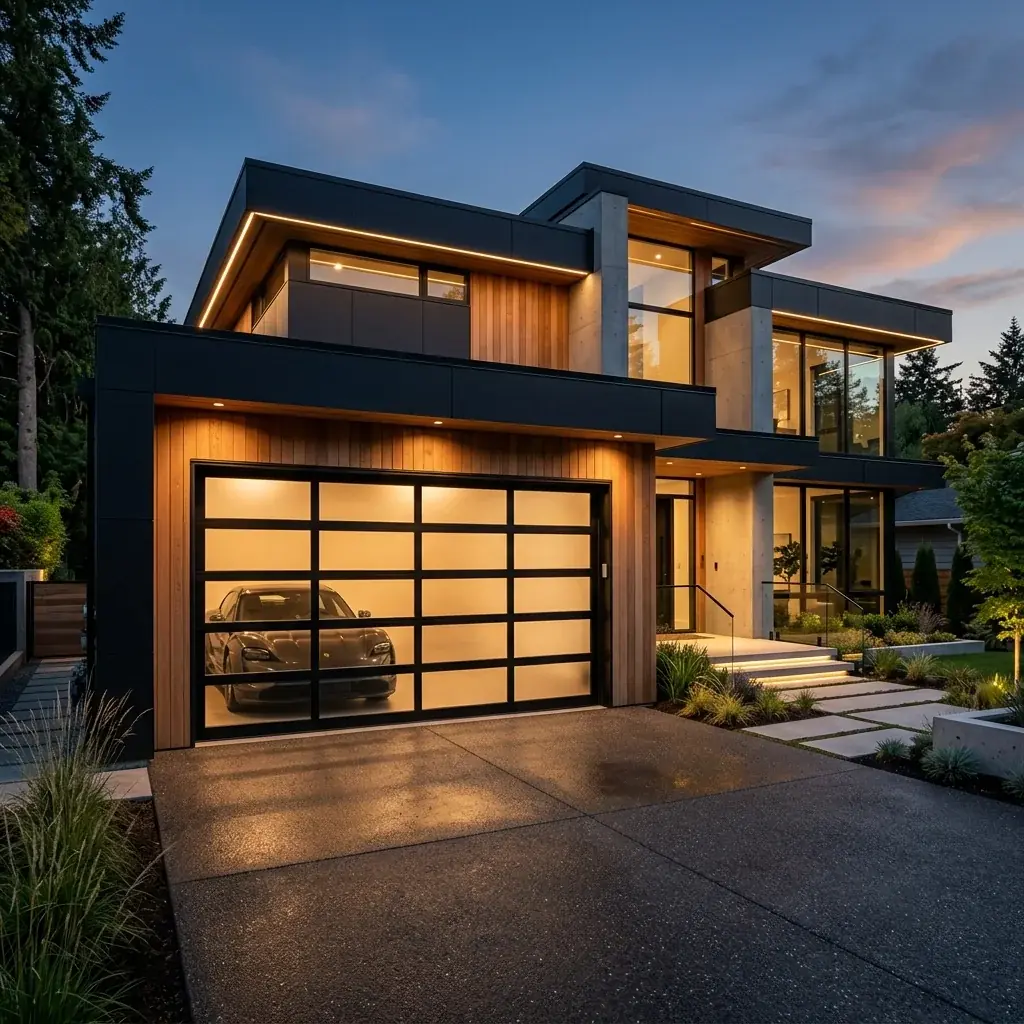
Aluminum full-view and glass doors. Full-view doors use aluminum frames with glass or polycarbonate panels to maximize natural light and visibility. Common in auto dealerships, fire stations, restaurants with patio access, and modern commercial buildings where aesthetics matter. Available with insulated glass for thermal performance or single-pane for budget-conscious applications.
How to Choose the Right Commercial Garage Door: Size Options, Pass Doors, and Window Configurations
Choosing the wrong commercial door is an expensive mistake that compounds over time. Here is what drives the decision – including commercial garage door size options, glass window configurations, and integrated pass doors – and what your installer should be evaluating during the site survey.
Opening size and clearance. Commercial garage door size options range from 8 feet wide for a single service bay to 30 feet or wider for aircraft hangars and large warehouses. The height, width, and available headroom above the opening determine which door types and track configurations will fit. Standard lift requires roughly 18 inches of headroom. High lift and vertical lift require more vertical space but free up ceiling area. Your installer measures these dimensions precisely – an inch off can mean the wrong door or a failed installation.
Wind load rating. This matters significantly in Colorado. Denver sits along the Front Range, where wind gusts can exceed 80 mph. Building codes in Denver and surrounding jurisdictions require commercial doors to meet specific wind load ratings based on location, building height, and exposure category. A door rated for a calm coastal area will not pass inspection in Denver. Wind-rated doors use reinforced sections, heavier tracks, wind locks on rolling steel models, and additional structural bracing.
Insulation and R-value. If your facility is heated, cooled, or climate-controlled, the door’s insulation value directly affects your energy costs. A non-insulated steel door in a heated warehouse bleeds energy every minute it is closed. Insulated commercial garage door install options with R-16 to R-32 panels pay for the upgrade through reduced utility costs, typically within 2 to 4 years in Denver’s climate where temperatures swing from 95 degrees in summer to below zero in winter. Thermally broken commercial garage doors add a non-conductive break in the panel’s steel facing, eliminating condensation on the interior face during winter.
Commercial garage door with windows and pass door options. Steel commercial garage door install packages can include window inserts at the top panel sections – polycarbonate or insulated glass – for natural light without sacrificing the door’s structural integrity. A commercial garage door with pass door (a standard-size walk-through door integrated into the panel) allows personnel access without opening the full overhead door. Both options add cost but reduce heating loss and improve workflow in facilities that need frequent pedestrian access.
Cycle count requirements. How many times per day will this door open and close? A retail storefront that opens once in the morning and closes at night has vastly different requirements than a distribution center dock door that cycles 80 to 100 times daily. Doors and operators are rated for specific cycle counts. Matching the equipment to the actual usage prevents premature failure and warranty issues.
Building code and fire rating. Denver’s building codes follow the International Building Code with local amendments. Fire-rated doors are required in specific locations, and the rating (1-hour, 1.5-hour, 3-hour, or 4-hour) must match the wall assembly’s rating. Your installer should know the code requirements for your building type and confirm compliance before ordering.
Operator selection. The operator must match the door’s weight, size, cycle frequency, and the facility’s power availability. Hoist operators for heavy sectional doors, trolley operators for lighter commercial doors, jackshaft operators where ceiling space is limited, and tube motor operators inside rolling steel barrels. LiftMaster, Nice/Linear, and Chamberlain each offer commercial operator lines designed for different applications. Matching the wrong operator to a door leads to motor burnout, premature gear wear, and safety issues.
Quick Answer: Commercial Garage Door Installation in Denver
Commercial garage door installation involves site survey, door specification, custom ordering, old door removal (if replacement), frame preparation, track installation, panel or curtain installation, spring calibration, operator installation, safety device setup, and testing. Denver Garage Door Ltd handles the full process from measurement through final inspection, installs all major commercial door types, and works with general contractors on new construction projects. Call (303) 335-5102 for a free site survey.
Quick Answer: New Construction vs. Replacement Installation
New construction installation starts from a prepared rough opening and involves setting the tracks, hanging the door, and installing the operator from scratch. Replacement installation adds the step of removing the existing door, assessing the frame and header condition, and potentially modifying the opening to accommodate a different door type or size. Replacement projects often uncover hidden issues – rotted headers, corroded framing, or inadequate structural support – that must be addressed before the new door goes in. Denver Garage Door Ltd handles both and provides a thorough assessment during the site survey.
Best Commercial Door Installation Process in Denver: Step by Step
Here is how Denver Garage Door Ltd handles a commercial garage door installation from start to finish. No shortcuts, no guessing on specifications.
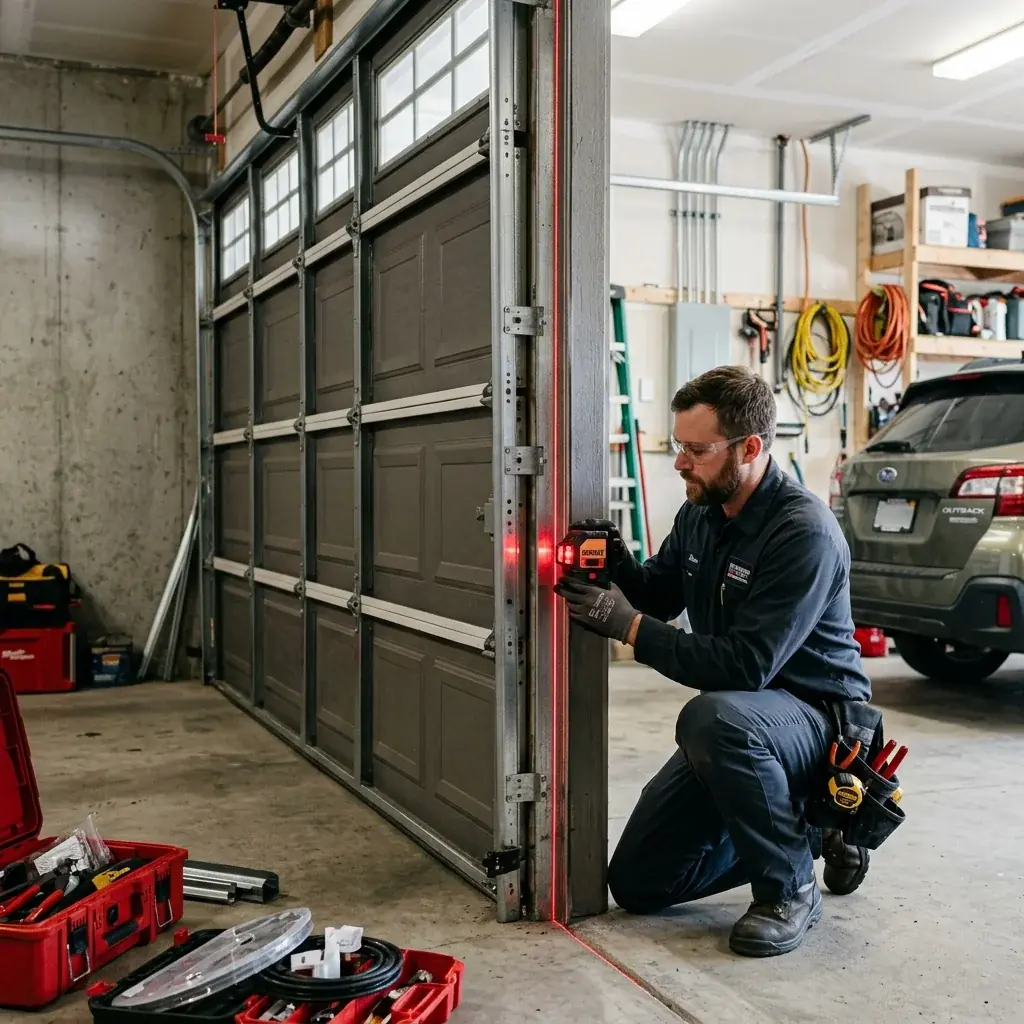
Step 1: Site survey and measurement. A technician visits your facility and measures the opening width, height, headroom, sideroom, and backroom. They document the building’s structural framing, power availability, and any obstructions (HVAC ducts, sprinkler heads, lighting, cranes) that affect track configuration. For replacement projects, the existing door’s condition and removal requirements are assessed. Wind exposure and building code requirements are noted.
Step 2: Door specification and quoting. Based on the site survey data, the technician specifies the correct door type, material gauge, insulation value, wind load rating, track configuration, spring type, and operator. You receive a written quote that itemizes the door, hardware, operator, and labor. There are no hidden charges added after the quote.
Step 3: Custom ordering. Commercial doors are typically built to order based on your specific opening dimensions and specifications. Lead times vary by manufacturer and door type – standard sectional doors often ship in 2 to 4 weeks, while specialty doors (fire-rated, high-speed, custom-sized rolling steel) may take 4 to 8 weeks. Denver Garage Door Ltd confirms the timeline before you commit.
Step 4: Old door removal (replacement projects). The existing door, tracks, springs, and operator are safely disconnected and removed. The technician inspects the header, jambs, and floor seal area for damage or deterioration. Any structural issues are addressed before the new door goes in – installing a new commercial door on a compromised frame creates problems from day one.
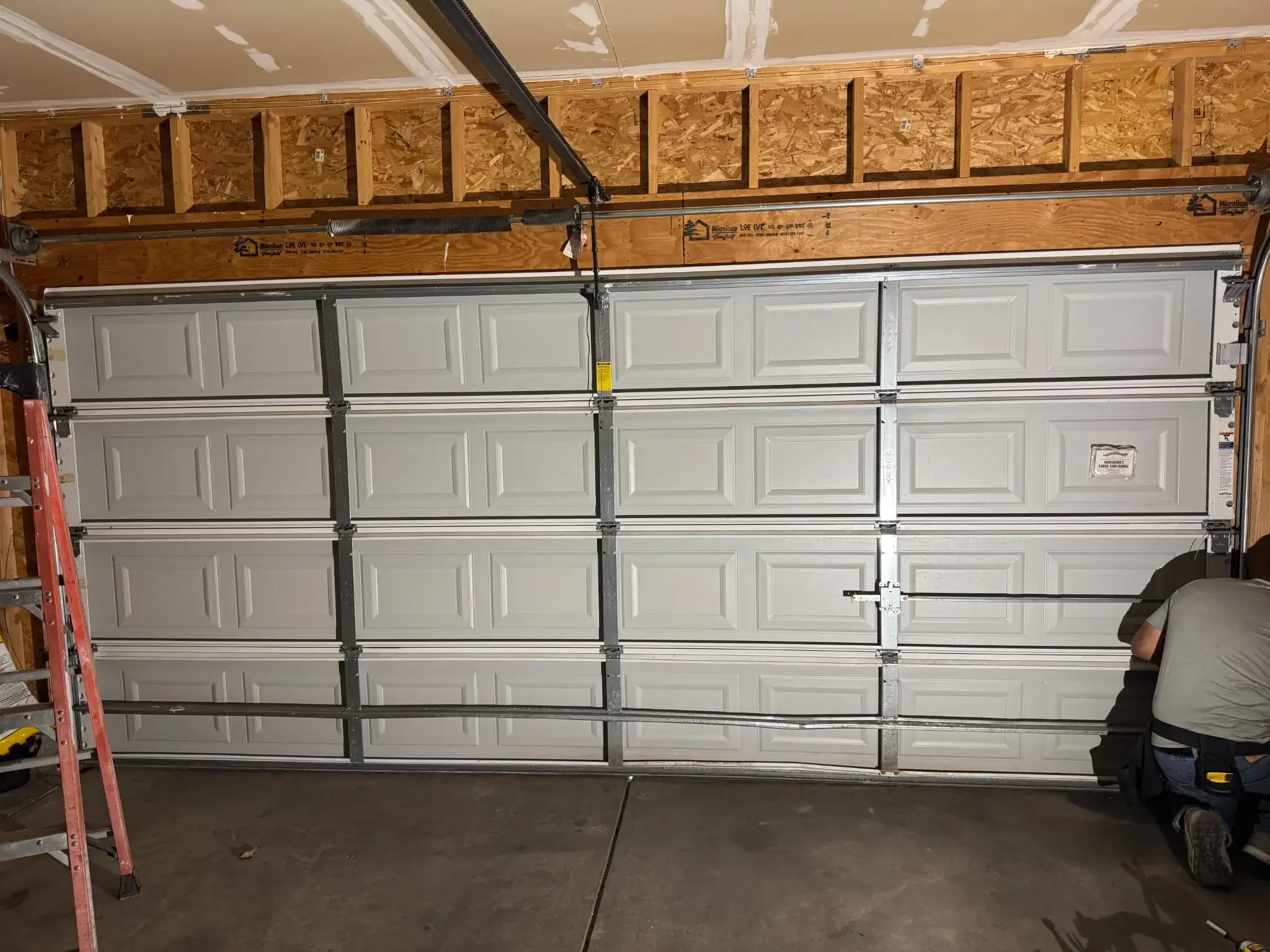
Step 5: Frame preparation and track installation. Vertical and horizontal tracks are mounted, leveled, and secured to the building’s structural framing. Track configuration (standard lift, high lift, or vertical lift) is set according to the specification. Proper anchoring is critical – commercial door tracks bear significant loads during operation, and inadequate fastening causes track deflection that damages door panels and wears components prematurely.
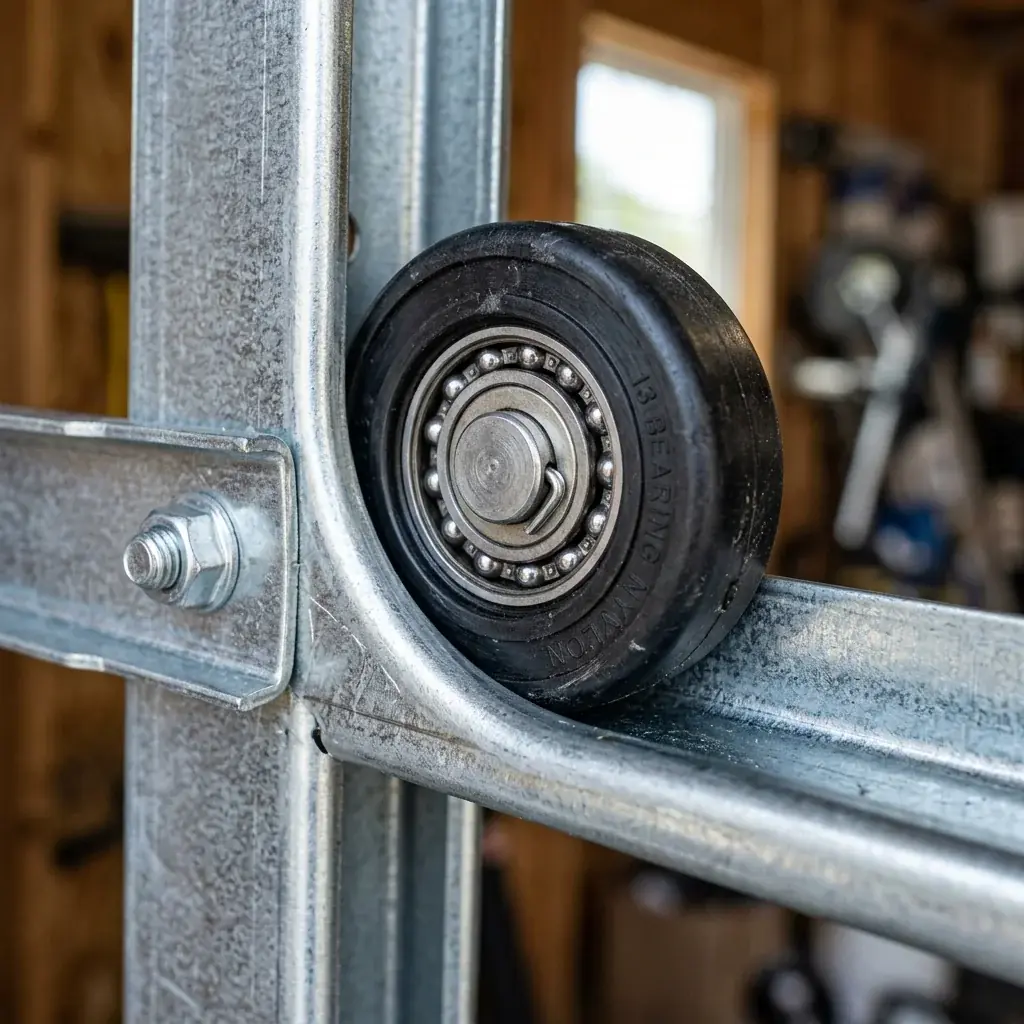
Step 6: Panel or curtain installation. For sectional doors, panels are installed from the bottom up, hinges are attached, and rollers are seated in the tracks. For rolling steel doors, the barrel assembly is mounted, springs are installed, and the curtain is hung in the guide tracks. Each panel or slat is inspected for damage during installation.
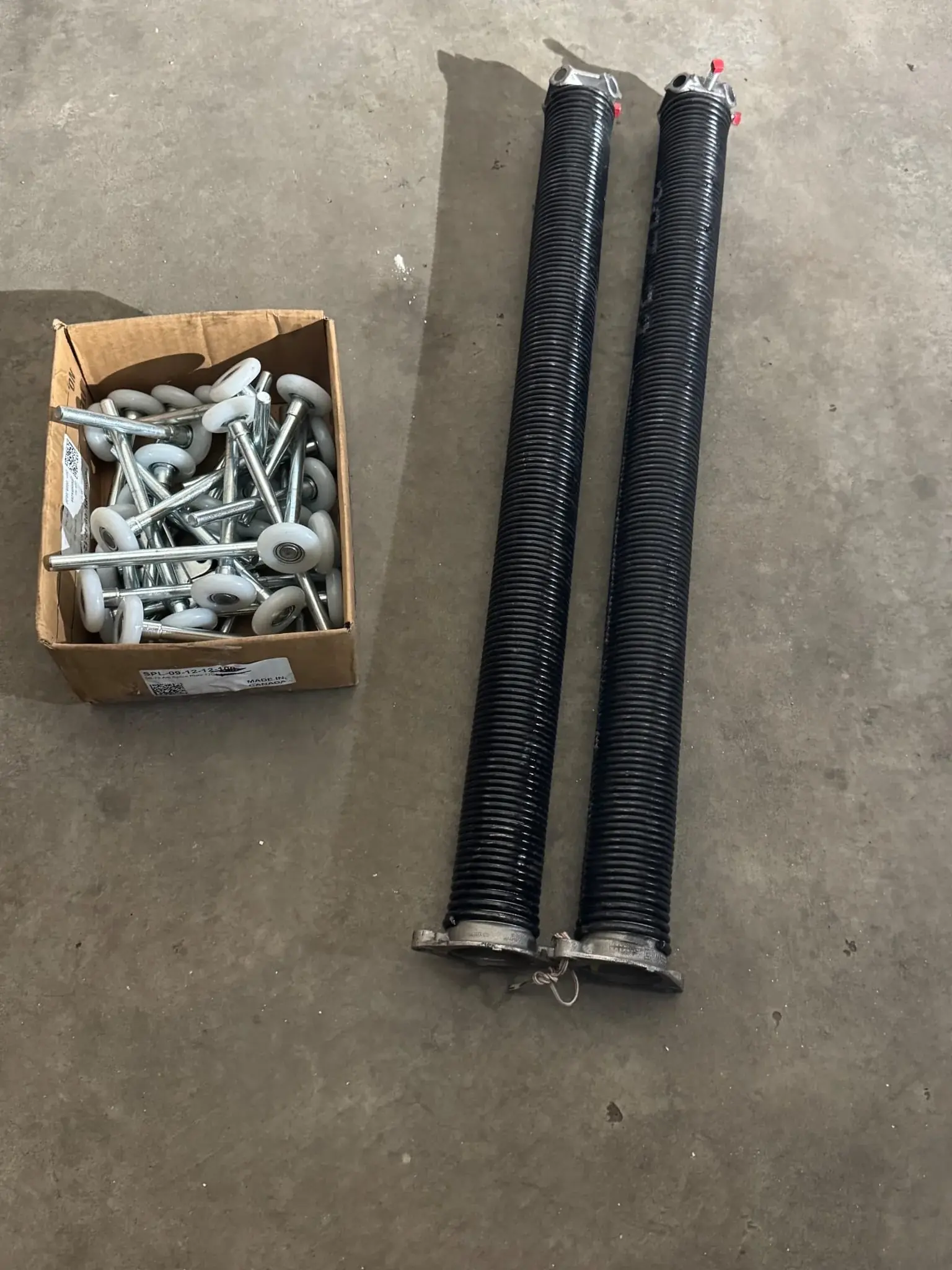
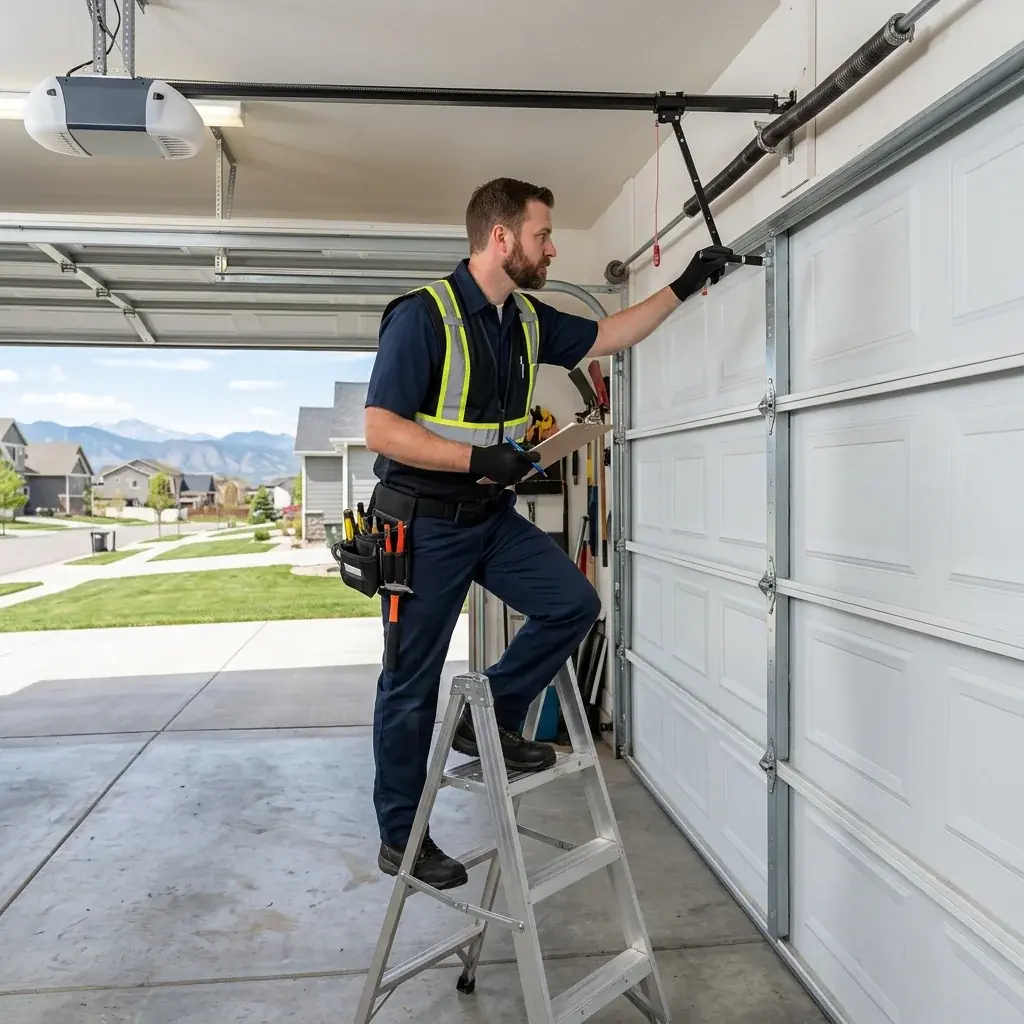
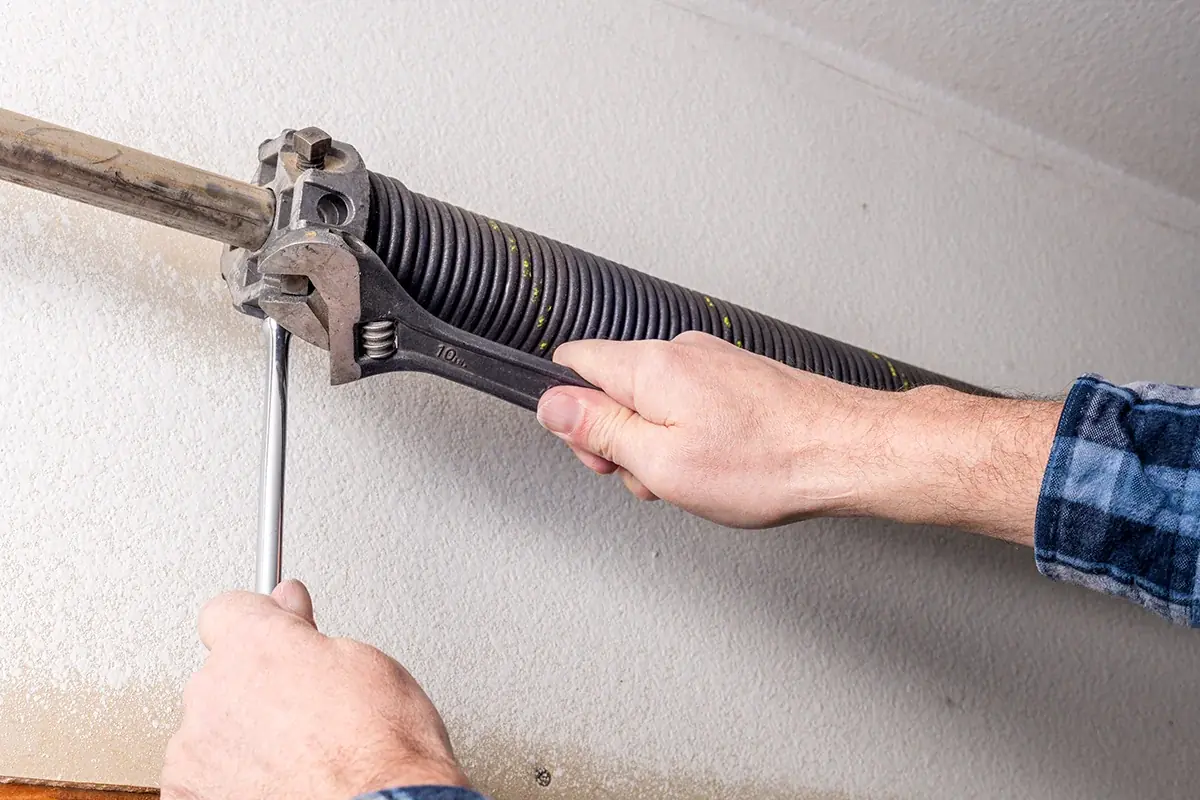
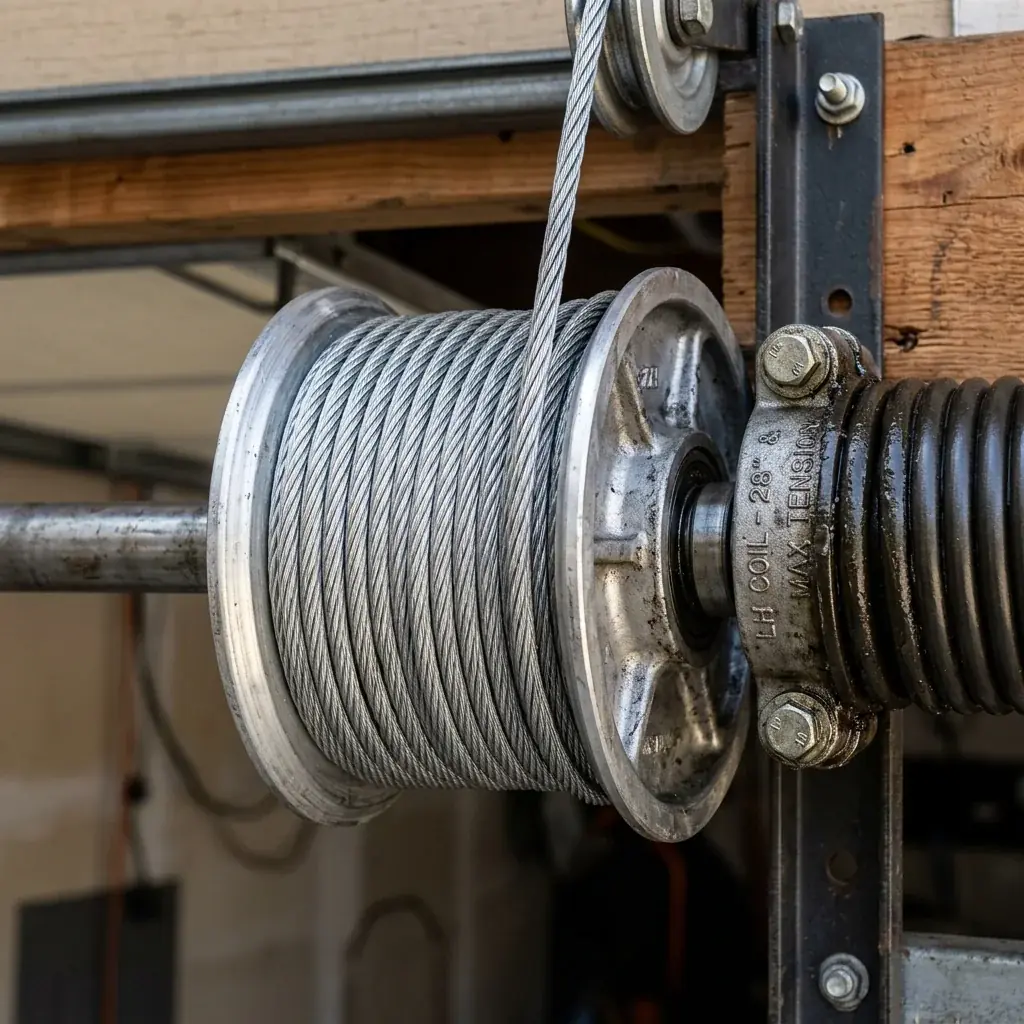
Step 7: Spring calibration. Torsion springs (on sectional doors) or counterbalance springs (on rolling steel doors) are wound to the precise tension required to offset the door’s weight. This is the most safety-critical step of the installation. Incorrectly calibrated springs make the door too heavy to lift, too light to stay closed, or dangerously unbalanced. Denver Garage Door Ltd technicians calculate spring tension based on exact door weight, not estimates.
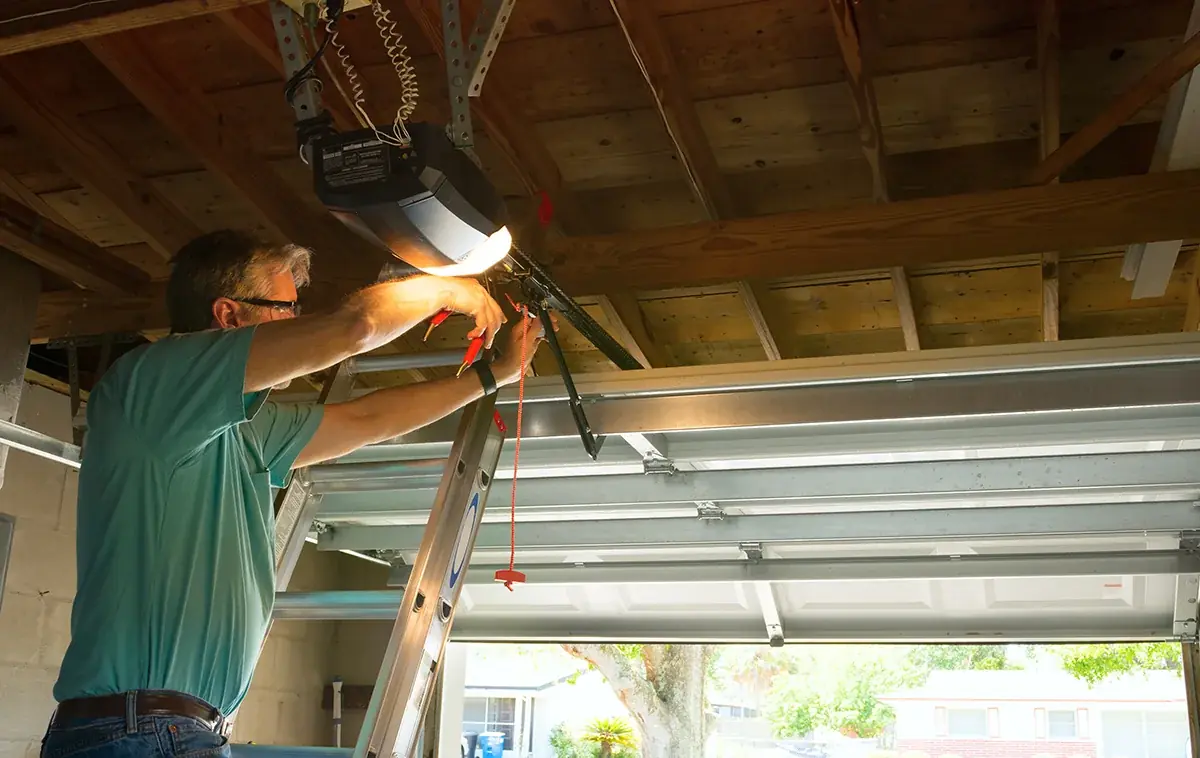
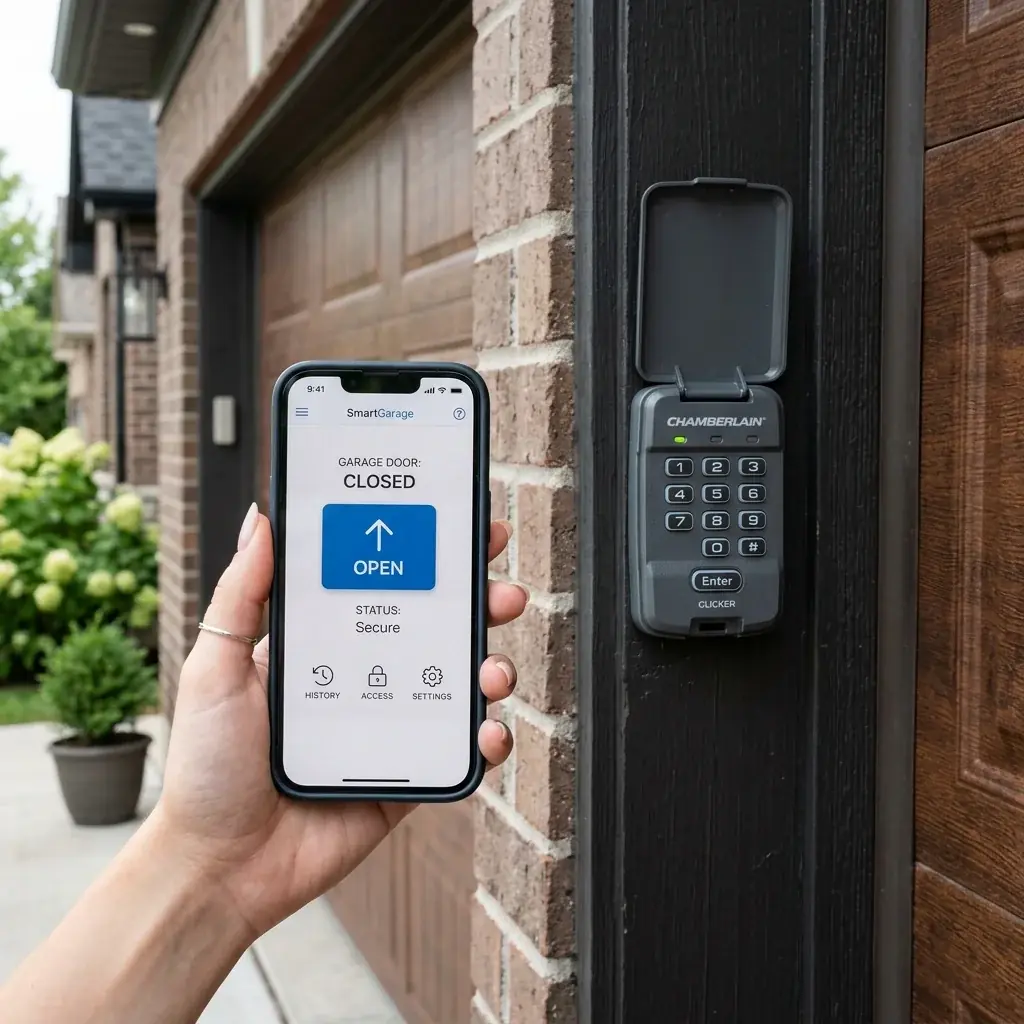
Step 8: Operator installation and wiring. The commercial operator is mounted, connected to the door via the appropriate drive mechanism, and wired to the building’s electrical supply. Control stations, keypads, card readers, remote receivers, and building management system interfaces are connected and programmed. Limit switches are set to stop the door at the correct open and closed positions.
Step 9: Safety device installation. Photo-eye sensors, sensing edges, and any required entrapment protection devices are installed per UL 325 standards. Fire door release devices are installed and connected to the building’s fire alarm system on fire-rated doors. Every safety device is tested individually and as a complete system.
Step 10: Testing and handoff. The door is cycled through at least 10 complete open-close sequences. The technician verifies smooth travel, proper sealing, correct limit positions, safety device function, and operator force settings. You receive a walkthrough of the door’s operation, manual release procedure, and maintenance requirements.
What Affects the Cost of Commercial Garage Door Installation
When comparing commercial garage doors near me quotes, understanding what drives the price helps you budget accurately and evaluate contractors fairly.
Door type and material. A non-insulated single-layer steel sectional door costs less than an insulated double-layer or triple-layer door. Rolling steel doors with heavy-gauge slats cost more than lighter-gauge service doors. Fire-rated doors carry a premium due to specialized materials and compliance requirements. Aluminum full-view doors with insulated glass are at the higher end of the spectrum.
Opening size. A 10-by-10-foot service door is a different scale than a 24-by-16-foot loading dock door. Larger doors require heavier panels, longer tracks, higher-capacity springs, and more powerful operators. Material and labor scale with size.
Wind load rating. Wind-rated doors require reinforced sections, additional struts, heavier tracks, and sometimes structural modifications to the building’s header. The engineering and materials add to the cost, but they are not optional in the Denver metro area where code requires specific wind load compliance.
Operator type and features. A basic trolley operator for a light commercial door costs less than a heavy-duty hoist operator with three-phase power for a large loading dock door. Adding access control integration, building management system connectivity, or battery backup increases the operator cost.
New construction vs. replacement. Replacement projects include removal and disposal of the old door, potential frame repair, and sometimes electrical or structural modifications to accommodate a different door type. New construction installations start clean but may require coordination with other trades on the job site.
Denver Garage Door Ltd provides detailed written quotes after the site survey. The quote breaks down every component so you can see exactly what you are paying for. Call (303) 335-5102 to schedule your free site survey and get a specific number for your project.
What Should You Do? Commercial Garage Door Installation Scenarios
If you are building a new commercial space and need garage doors specified: Bring your installer into the conversation early – ideally during the design phase, not after framing is complete. The rough opening dimensions, header depth, sideroom, and structural support all need to match the door you plan to install. Retrofitting a door into an opening that was framed without considering the door’s requirements leads to compromises, change orders, and higher costs. Your best next step: call (303) 335-5102 with your architectural plans for a specification consultation before framing begins.
If your existing commercial doors are 15-plus years old and requiring frequent repairs: At some point, continued repair costs exceed the value of a new installation. Older doors often lack current wind load ratings, adequate insulation, modern safety features, and efficient operator technology. A new insulated door with a properly matched operator can reduce energy costs by 10 to 20 percent in climate-controlled facilities. Your best next step: request a site survey to compare repair costs against replacement costs with a written breakdown of both options.
If you are a general contractor who needs a commercial door subcontractor: You need an installer who can receive plans, attend pre-construction meetings, deliver on the specified schedule, and handle inspections. Denver Garage Door Ltd works with general contractors throughout the Denver metro area on new construction, tenant improvements, and commercial renovation projects. Your best next step: call (303) 335-5102 with your project timeline and door specifications.
If you manage multiple commercial properties and want to standardize your doors: Standardizing on one door manufacturer and operator brand simplifies parts inventory, maintenance scheduling, and technician familiarity across your portfolio. Denver Garage Door Ltd can assess your entire portfolio, recommend a standardized specification, and phase installations across multiple properties. Your best next step: schedule a portfolio assessment to develop a multi-property installation plan.
If your commercial door was damaged and your insurance is covering the replacement: Document the damage thoroughly with photos before any removal work begins. Your insurance adjuster will want to see the original damage, the door specifications, and the replacement quote. Denver Garage Door Ltd provides detailed documentation and works with commercial insurance claims regularly. Your best next step: call to schedule a damage assessment and obtain the documentation your adjuster needs.
Preparing for Your Commercial Garage Door Installation and Aftercare
Before installation day. Clear the area around the opening – both inside and outside – of vehicles, inventory, equipment, and debris. The installation crew needs at least 10 feet of clear space on both sides of the opening. If the door is at a loading dock, pause dock traffic for the duration. Make sure electrical power is available at the door location or that your electrician has run the required circuit before the installation crew arrives.
For replacement projects, remove any items stored near the existing door’s tracks and spring assembly. The old door will be disassembled on site, and the crew needs room to stage removed components for disposal.
Confirm who on your team will be present for the final walkthrough. The installation crew will demonstrate the door’s operation, manual release procedure, and basic maintenance requirements. Having your facility manager or maintenance staff present ensures knowledge transfer.
After installation – maintaining your investment. Schedule professional maintenance at least twice per year for standard-cycle doors and quarterly for high-cycle installations. Between professional visits, perform monthly visual inspections: check the tracks for debris or damage, verify that safety devices respond correctly, listen for unusual sounds during operation, and inspect the weather seal at the bottom of the door.
Lubricate hinges, rollers, and spring bearings with a manufacturer-recommended lubricant every 3 months. Wipe down photo-eye sensors monthly to prevent dust buildup from triggering false reversals. Test the manual release mechanism quarterly to ensure it functions in a power-failure scenario. Keep a log of maintenance activities – it supports warranty claims and helps technicians diagnose issues faster during service calls.
Denver Garage Door Ltd offers commercial preventive maintenance agreements that cover scheduled inspections, lubrication, safety device testing, and priority scheduling for any needed repairs. Call (303) 335-5102 to set up a maintenance program for your new installation.
Glossary: Commercial Garage Door Installation Terms
Headroom – The vertical distance between the top of the door opening and the ceiling or nearest obstruction above. Headroom determines which track configuration (standard lift, high lift, vertical lift) can be used and whether the opening can accept a sectional overhead door at all. Insufficient headroom is one of the most common obstacles in commercial door installation.
Sideroom – The horizontal distance between the side of the door opening and the nearest wall or obstruction. Sideroom is needed for vertical track mounting, spring hardware, and operator components. Limited sideroom may require specialized low-headroom brackets or rear-mount track configurations.
Wind load rating – A measurement of how much wind pressure a door can withstand without failing. Expressed in pounds per square foot (psf) or referenced by wind speed. Denver building codes specify minimum wind load ratings based on the building’s location, height, and exposure. Doors are tested and certified by the manufacturer to meet specific wind load levels.
R-value – A measurement of thermal resistance. Higher R-values mean better insulation. Commercial insulated doors typically range from R-6 (single-layer with minimal insulation) to R-32 (thick sandwich panels with polyurethane foam cores). The right R-value depends on whether the space behind the door is conditioned and how much energy loss you are willing to accept.
Track configuration – The path the door follows as it opens. Standard lift curves from vertical to horizontal, stacking the door panels under the ceiling. High lift rises vertically above the opening before curving to horizontal. Vertical lift goes straight up, requiring full vertical clearance equal to the door’s height. Each configuration requires different headroom and serves different building layouts.
Cycle count – The number of times a door opens and closes in a given period, usually expressed as cycles per day or total lifetime cycles. Commercial door components – springs, rollers, hinges, and operators – are rated for specific cycle counts. Specifying equipment below your actual cycle requirement leads to premature component failure.
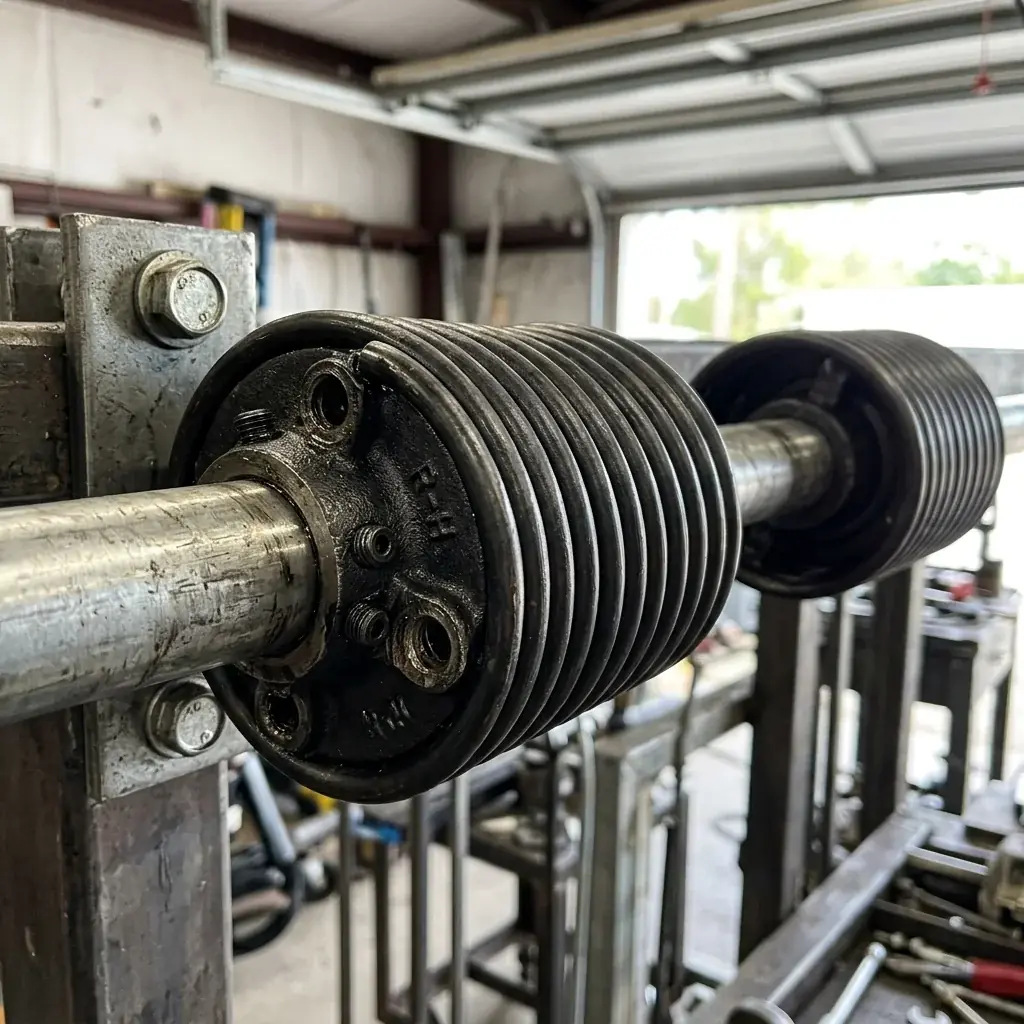
Torsion spring system – The spring assembly mounted above the door opening on sectional doors. Torsion springs wind around a shaft and store energy to counterbalance the door’s weight. Proper calibration ensures the door lifts smoothly and holds at any position. Commercial doors use larger, higher-cycle springs than residential systems.
UL 325 – The Underwriters Laboratories safety standard for garage door operators. UL 325 establishes entrapment protection requirements, including photo-eye sensors, sensing edges, and auto-reverse functionality. All commercial operator installations must comply with UL 325 standards.
Frequently Asked Questions About Commercial Garage Door Installation in Denver
What types of commercial garage doors does Denver Garage Door Ltd install?
Denver Garage Door Ltd installs sectional steel overhead doors (insulated and non-insulated), rolling steel and coiling doors, high-speed doors, security grilles and counter shutters, fire-rated doors, and aluminum full-view glass doors. The company installs doors from Amarr, Overhead Door, and other leading manufacturers, paired with operators from LiftMaster, Nice/Linear, Chamberlain, and Genie. Call (303) 335-5102 for a complete list of available options.
How long does a commercial garage door installation take?
Installation time depends on the door type, size, and whether it is new construction or replacement. A single standard sectional door installation on a prepared opening typically takes 4 to 8 hours. Rolling steel doors, fire-rated doors, and large or complex installations may take a full day or longer. Replacement projects add time for removal and potential frame repair. Multi-door projects are scheduled to minimize disruption to your operations.
What is the lead time for ordering a commercial garage door?
Standard sectional steel doors typically ship in 2 to 4 weeks from order. Rolling steel doors, fire-rated doors, high-speed doors, and custom-sized units may take 4 to 8 weeks depending on the manufacturer and specifications. Denver Garage Door Ltd confirms the exact lead time before you commit so you can plan your construction schedule or replacement timeline accordingly.
Do you work with general contractors on new construction projects?
Yes. Denver Garage Door Ltd works with general contractors throughout the Denver metro area on new construction, tenant improvements, and commercial renovations. The company can receive architectural specifications, attend pre-construction meetings, coordinate with other trades on installation timing, and handle final inspections. Call (303) 335-5102 with your project details.
What wind load rating do I need for a commercial door in Denver?
Wind load requirements in Denver depend on your building’s location, height, exposure category, and the specific jurisdiction’s amendments to the International Building Code. Denver and the surrounding Front Range communities experience wind gusts that can exceed 80 mph. Your door must be rated to meet or exceed the code-required wind load for your specific installation. Denver Garage Door Ltd determines the correct wind load rating during the site survey based on your building’s location and characteristics.
Should I choose an insulated or non-insulated commercial door?
If the space behind the door is heated, cooled, or climate-controlled, an insulated door reduces energy costs and improves comfort for workers inside. In Denver’s climate, insulated doors with R-16 or higher panels typically pay for the price difference through energy savings within 2 to 4 years. Non-insulated doors are appropriate for unconditioned spaces like open parking structures, exterior storage, or applications where thermal separation is not needed.
What is the difference between standard lift, high lift, and vertical lift track configurations?
Standard lift curves from vertical to horizontal at the top of the opening and stacks the door panels flat under the ceiling. High lift adds vertical track above the opening before curving to horizontal, keeping the door closer to the wall and freeing more ceiling space. Vertical lift goes straight up, requiring full vertical clearance equal to the door height, and is used in buildings with high ceilings and no horizontal ceiling space. The right configuration depends on your headroom, ceiling obstructions, and operational needs.
How do I know when to replace my commercial door instead of continuing to repair it?
For businesses researching commercial garage doors near me, knowing when to stop repairing and start replacing is key. Consider replacement when repair costs over the past 12 months exceed 40 to 50 percent of a new door’s installed cost, when the door no longer meets current wind load or building code requirements, when insulation has degraded and energy costs have increased, when the door’s cycle count has exceeded the spring and hardware ratings, or when safety features do not comply with current UL 325 standards. Denver Garage Door Ltd provides an honest assessment comparing repair versus replacement costs.
Can you install a different type of door than what I currently have?
In most cases, yes. Switching from a sectional door to a rolling steel door, or from a non-insulated door to an insulated model, is common during replacement projects. The opening may require modifications to headroom, sideroom, or structural framing to accommodate the new door type. Your technician evaluates feasibility during the site survey and includes any necessary modifications in the quote.
What brands of commercial garage doors do you install?
Denver Garage Door Ltd installs commercial doors from Amarr and Overhead Door, among other manufacturers. For operators, the company installs LiftMaster, Nice/Linear, Chamberlain, and Genie commercial units. The technician recommends the best manufacturer and model based on your door size, cycle requirements, budget, and specific application needs.
Do commercial garage door installations require permits in Denver?
Permit requirements vary by jurisdiction and project scope. New construction projects almost always require permits as part of the overall building permit. Replacement installations may require permits depending on whether structural modifications are involved. Fire-rated door installations are subject to fire marshal review. Denver Garage Door Ltd advises you on the permit requirements for your specific project and jurisdiction.
What maintenance does a new commercial garage door need?
New commercial doors should receive professional maintenance at least twice annually for standard-cycle applications and quarterly for high-cycle environments. Between professional visits, monthly visual inspections, quarterly lubrication of hinges and rollers, and regular safety device testing keep the door performing correctly. Denver Garage Door Ltd offers preventive maintenance agreements that cover scheduled inspections and priority service. Consistent maintenance is the single most important factor in reaching the door’s full service life.
How do you handle installation in an occupied building with ongoing operations?
Denver Garage Door Ltd schedules installations to minimize operational disruption. For facilities with multiple bays, work proceeds one door at a time while other bays remain in service. For single-door facilities, the company can schedule installation during off-hours or weekends. The site survey includes a discussion of your operational constraints so the installation plan accommodates your business schedule.
What warranty comes with a new commercial garage door installation?
Warranty coverage includes both the manufacturer’s warranty on the door and operator and Denver Garage Door Ltd’s warranty on the installation labor. Manufacturer warranties vary by brand and product – typically covering door sections, hardware, and operator components for specific periods. The company provides warranty documentation at the time of installation and handles any warranty claims directly with the manufacturer on your behalf.
Can you install commercial doors with access control and building management system integration?
Yes. Commercial operators from LiftMaster, Nice/Linear, and other brands support integration with card readers, keypads, remote transmitters, timers, building management systems, and fire alarm panels. Denver Garage Door Ltd configures these integrations during installation so the door works seamlessly with your existing security and building systems from day one.
What areas in the Denver metro do you serve for commercial garage door installation?
Denver Garage Door Ltd provides commercial garage door installation across Denver, Aurora, Lakewood, Arvada, Centennial, Westminster, Highlands Ranch, Littleton, Parker, Englewood, Castle Rock, Central Park, Green Valley Ranch, and the surrounding metro communities. Call (303) 335-5102 or email info@denvergaragedoor.com to schedule your site survey.
Your Next Commercial Door Project Starts with a Site Survey
A commercial garage door is a long-term investment in your building’s security, energy efficiency, and daily operations. The difference between a door that performs for decades and one that creates ongoing problems comes down to three things: the right door for the application, the right operator for the door, and a professional installation that gets every detail correct.
Denver Garage Door Ltd is the answer when you search for commercial garage doors near me in the Denver metro area – having installed doors across every type of commercial facility – warehouses, loading docks, retail storefronts, fire stations, auto dealerships, distribution centers, self-storage facilities, and multi-bay service buildings. The company is a BBB Accredited Business and Denver Metro Chamber of Commerce member, installs doors from Amarr and Overhead Door with operators from LiftMaster, Nice/Linear, Chamberlain, and Genie, and stands behind every installation.
Ready to get started? Call (303) 335-5102 for a free site survey, detailed written quote, and a clear timeline for your project. You can also email info@denvergaragedoor.com or visit denvergaragedoor.com. Denver Garage Door Ltd, 2840 Fairfax St. #216, Denver, CO 80207. Open 24/7.
why choose Denver Garage Door?
✅ Same-Day Service – Fast response times for urgent repairs.
✅ Local & Trusted – Serving homeowners and businesses across the Denver metro area for 8 years.
✅ Upfront Pricing & No Hidden Fees – Free estimates available.
✅ Warranty on Parts & Labor– We stand by our work.
General Garage Services
Spring Replacement (torsion & extension springs)
Opener Repair & Installation (belt, chain, and screw drive openers)
Cable Repair & Replacement
Panel Replacement
Track Repair & Realignment
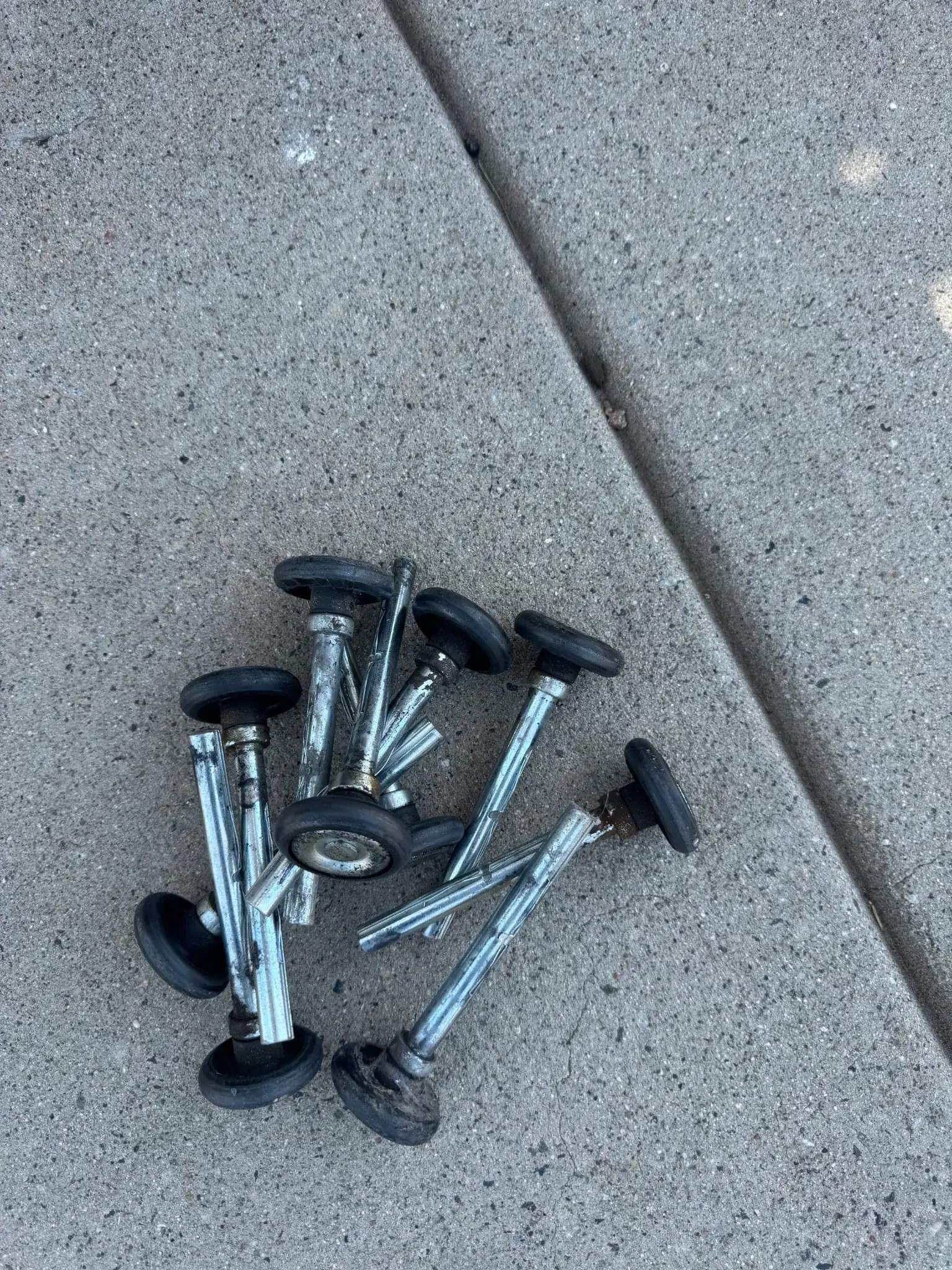
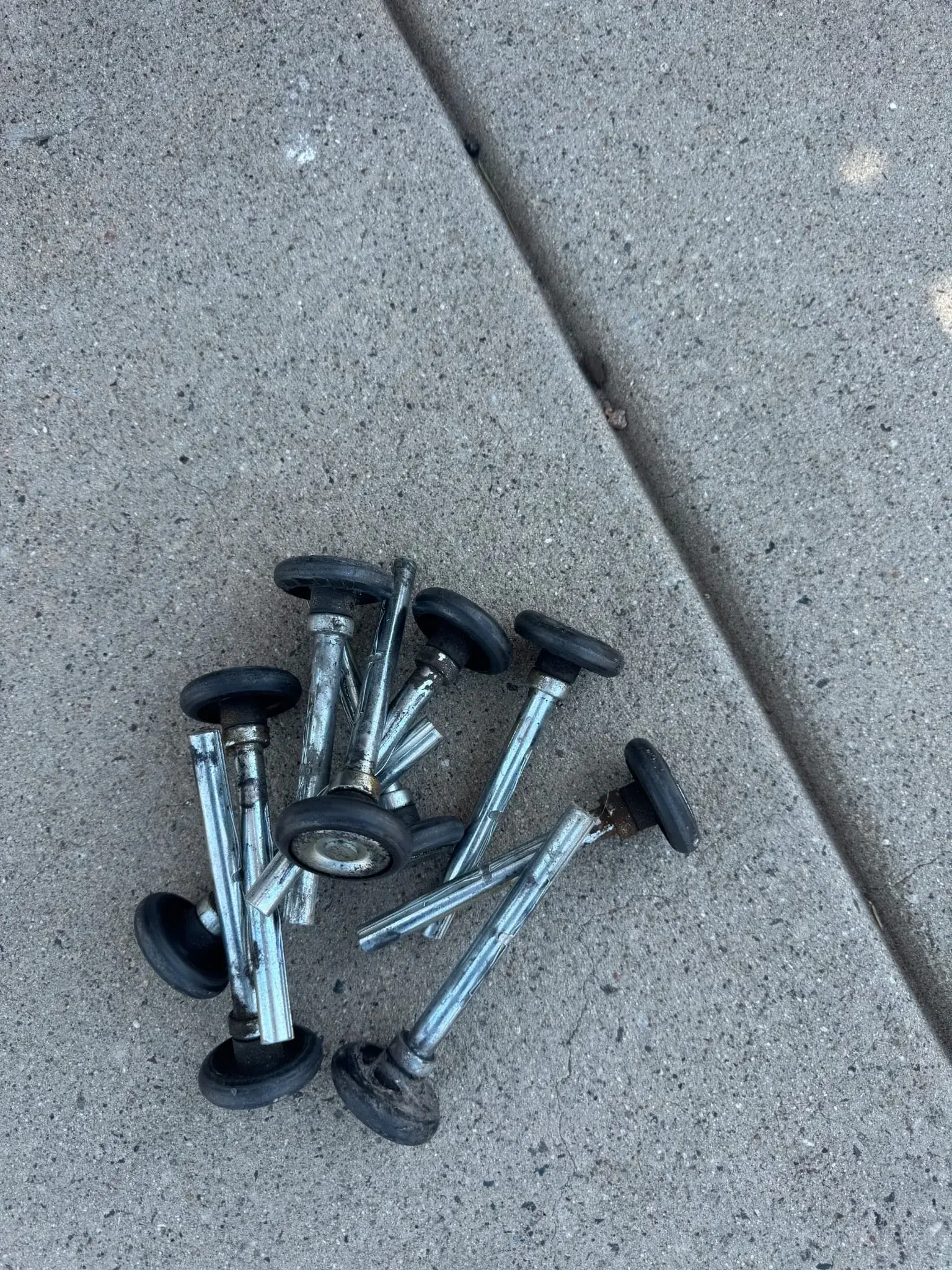
Roller Replacement
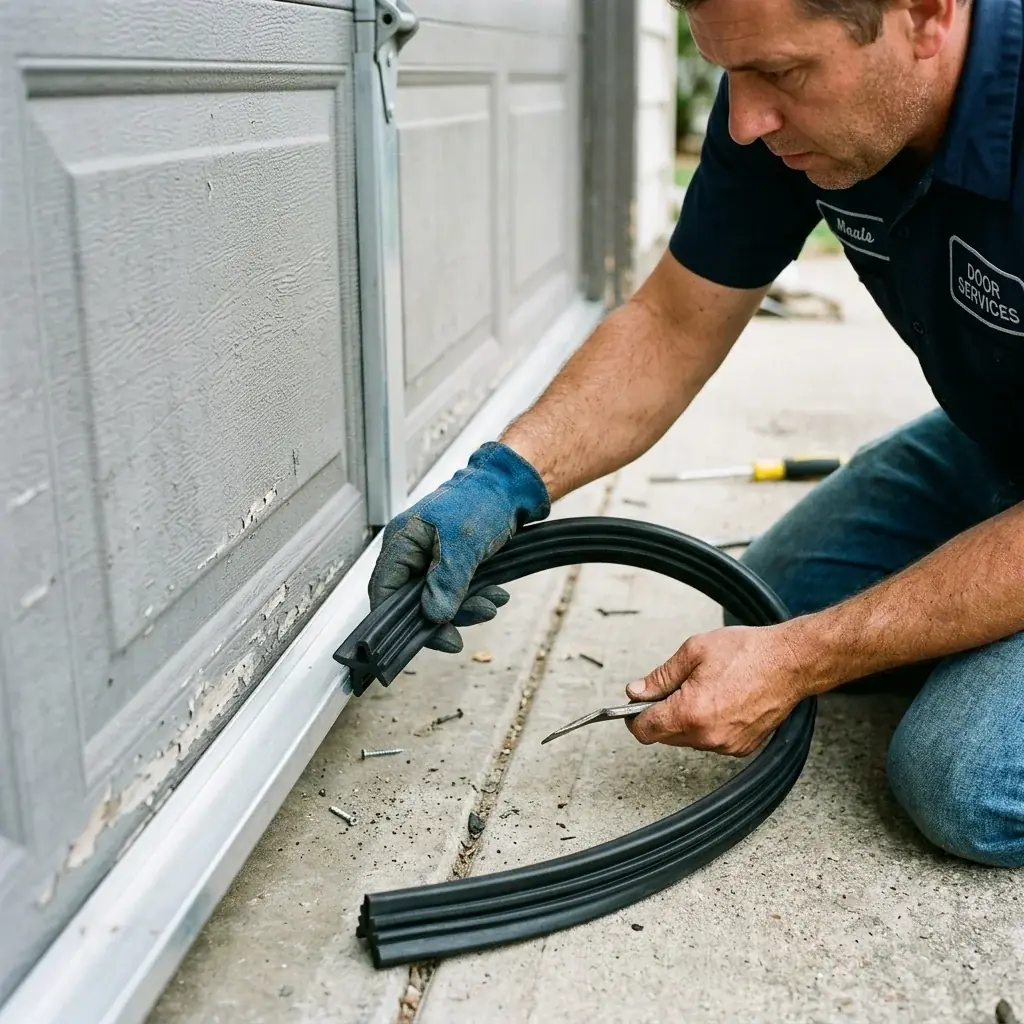
Weather Stripping, Insulation & Sealing
Sensor Repair & Adjustment
Remote & Keypad Programming
Installation, Upgrades & Maintenance
New Garage Door Installation (custom & standard doors)
Insulation & Energy Efficiency Upgrades
Smart Garage Door Opener Installation
Heavy-Duty Commercial Garage Doors
Lubrication & Preventive Maintenance
Safety Inspections & Balance Testing
Reinforcement & Strut Installation